




In PEAK, survival depends on smart resource use, and Aloe Vera is one of the most reliable healing items you can find. Recognizable by its bright, distinctive look, this natural plant provides instant health recovery, making it invaluable during tough climbs.
Lightweight and easy to carry, Aloe Vera works the moment you use it, offering a quick safety net for risky jumps, harsh weather, or sudden falls. Whether you’re a beginner exploring early areas or an experienced climber tackling dangerous zones, keeping some Aloe Vera on hand can mean the difference between pushing onward and restarting from your last checkpoint.
Here’s everything you need to know about Aloe Vera in PEAK.
Table of contents
Uses of Aloe Vera in PEAK

Aloe Vera is more than just a decorative plant in PEAK. It’s a restorative consumable that can instantly restore a portion of your health the moment you use it. This makes it a must-have for any climber dealing with the harsh conditions of the mountain. Whether you’ve just taken fall damage, battled hostile wildlife, or pushed through a dangerous, weather-beaten area, Aloe Vera can give you the quick recovery you need to keep moving forward.
One of the best things about Aloe Vera is how convenient it is to carry and use. You can store it safely in your backpack and pull it out whenever you need it, making it perfect for emergencies. There’s no long use animation or delay, meaning that once consumed, the healing effect kicks in instantly, letting you get back to climbing without missing a beat.
Where to find Aloe Vera in PEAK
In PEAK, Aloe Vera plants are most commonly found in the lower to mid-altitude zones of the mountain, making them relatively easy to track down early in your climb. These areas often feature sandy paths, dry rocky slopes, or a combination of both, providing ideal growing conditions for this hardy plant.
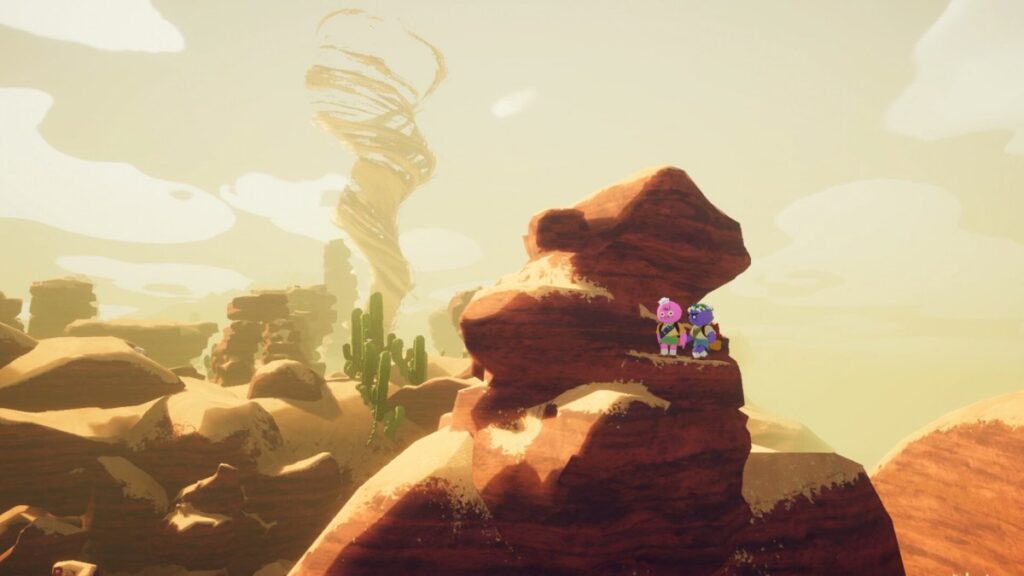
If you’re starting your climb, keep an eye out before the terrain gets too steep, as you’re more likely to spot Aloe Vera here than in the high-altitude zones. Identifying Aloe Vera is simple once you know what to look for. The plants have thick, fleshy green leaves with spiky edges, usually arranged in a tight, compact cluster.
They tend to grow in places where they’re partially protected from the wind, like at the base of large rocks, along shallow streambeds, or tucked away in sheltered corners. These locations make them easy to overlook, so slowing down and scanning your surroundings carefully can help ensure you don’t miss this valuable healing resource.
For more guides on PEAK, check out how to get the Aeronautics Badge and the Megaentomology Badge.










Published: Aug 14, 2025 12:12 am