



Riot Games has cracked down on AFKs and similar disruptive behavior in VALORANT with harsher penalties, tightening what many players used as a way to avoid threats to the game’s competitive integrity.
As Leo Del Real, part of VALORANT’s Competitive Systems team, revealed in a detailed post on Sept. 15, Riot has been focusing on improving the quality and experience by tuning up the punishment for AFK, queue dodge, and remake activities, mostly to deal with “small cohorts of players with frequent disruptive behavior.” As much as these changes may help curb deliberate AFKs and similar nuisances, we can’t help but wonder how they could also make it easier for throwers and cheaters to slip into matches and ruin the competitive experience.
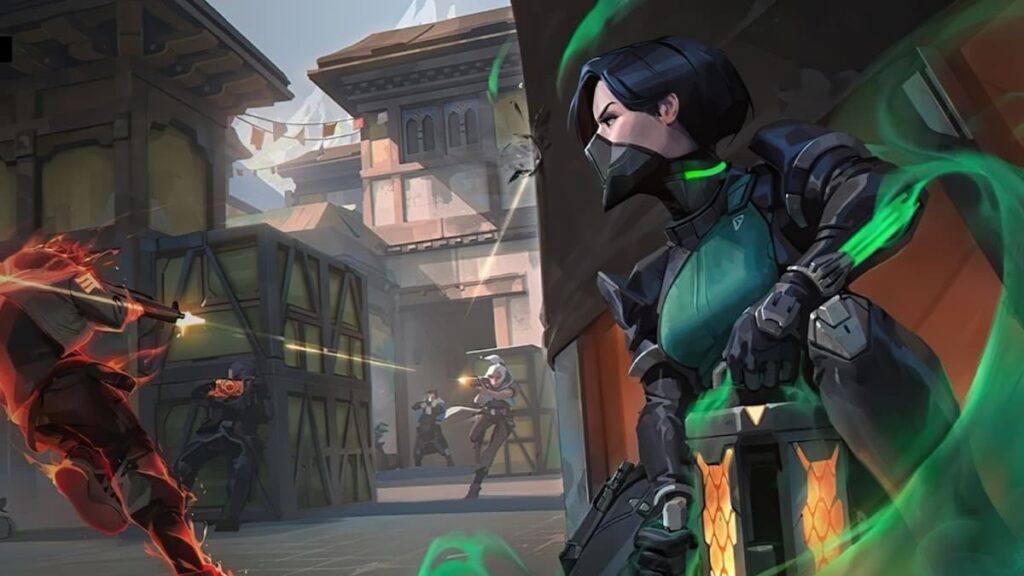
Imagine this: A VALORANT player loads into agent select only to see their teammates instalock four duelists, or some other offbeat team composition. Sometimes, throwers even announce their intentions in chat during agent select. There are also cases where players recognize known cheaters, “boosted” or purchased accounts, and throwers by their in-game names. For someone serious about climbing the ranks, dodging that queue might feel like the safest choice.
But what’s the point if dodging comes with a heavy RR penalty, or worse—a ban on their account? And once an account gets flagged, recovering its reputation is an uphill battle—because Riot doesn’t easily let things slide.
While AFKing in matches should be punished aptly, applying the same level of restrictions to queue dodges—and even remakes—feels misguided. We already deal with plenty of players who refuse to remake because they’re “confident” their duo or trio will return, forcing the rest of the team to play short-handed for multiple rounds. Removing the requirement for all remaining players to vote for a remake has helped reduce these situations, but it hasn’t eliminated them entirely.
On top of that, some throwers simply tap a key or use scripts to bypass VALORANT’s AFK detection system with ease—an issue Riot should arguably prioritize instead.
Besides, Riot doesn’t seem to account for the struggles faced by players with unstable internet or frequent power cuts—an odd oversight given VALORANT’s popularity in many developing regions. Plus, as many players report, the game isn’t immune to crashes either, so handing out AFK penalties for an internal issue hardly seems fair.
Of course, players AFKing for casual reasons must be warned and punished, but are solutions like increasing the number of warnings, ban times, and RR reduction really working? Well, Riot’s report claims that the rate of AFKs and similar behaviors have decreased by 20 percent after these changes were deployed. But it’s worth noting that this “improvement” doesn’t account for those who record a minor movement just to slip past the AFK detection system—nor does it consider the throwers, smurfs, cheaters, and boosted players affecting our experience on a daily basis.
Unfortunately, none of Riot’s “steps to curb” are addressing the most rampant issues in VALORANT right now. It’s clear that players would rather see the developer focus on what truly matters, instead of rolling out updates that bring little meaningful change.







Published: Sep 16, 2025 06:12 am