


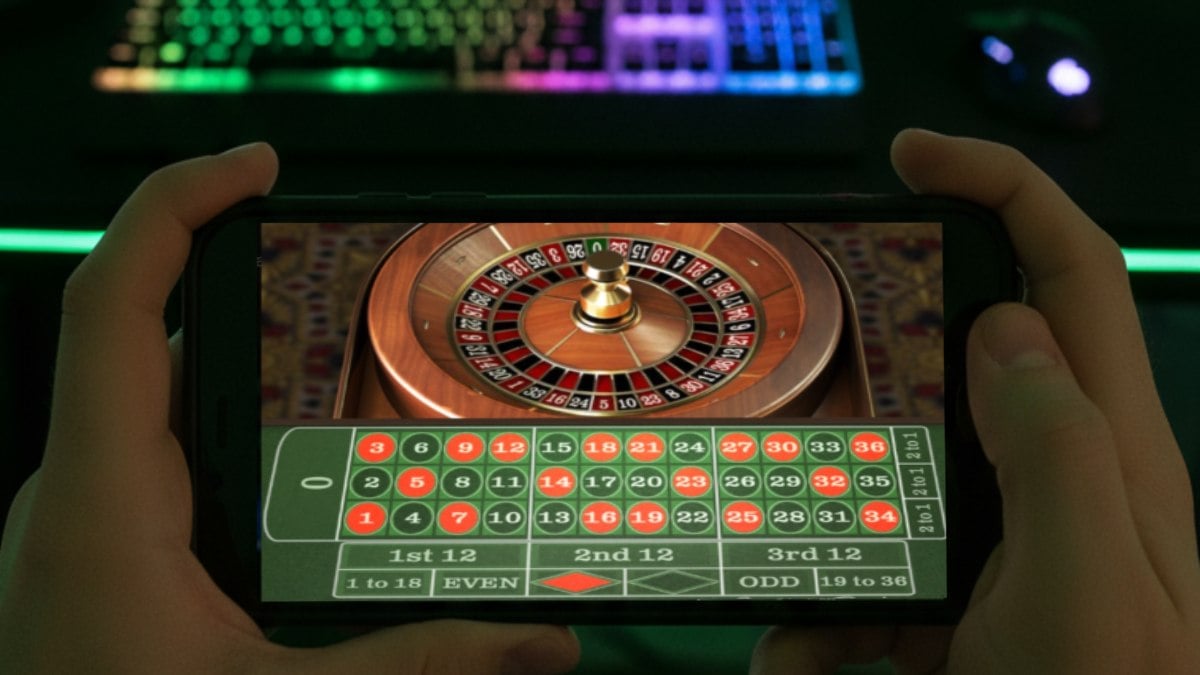

Roulette operates through precision and rhythm. Each rotation of the wheel follows a predictable system built on arithmetic probability, and every phase of the game—placing wagers, closing the layout, announcing the result—follows measured timing that rewards focus over luck.
This guide divides roulette into distinct elements: rules, bet categories, and procedural flow. It explains how the wheel type alters probability, how the table’s layout directs wagers, and how discipline influences long-term outcomes. From correct chip handling to payout ratios, the focus is clarity, not superstition.
The Equipment: Wheel, Layout, and Chips
Roulette’s equipment functions with mechanical accuracy. The core structure includes a balanced wheel and a smooth track guiding a small resin or metal ball. Two main wheel versions exist: European (single zero) and American (double zero). The single-zero model has thirty-seven pockets; the double-zero adds one extra, slightly widening the house edge.
The table layout mirrors wheel numbers but separates wagers into inside and outside zones. Inside areas cover individual or grouped numbers such as straight, split, or corner bets. Outside zones handle color, parity, and range wagers like red/black or high/low. Minimums differ by area—outside bets usually require larger units.
Chips serve as player identifiers. Each participant receives a distinct color, recorded by the dealer with its corresponding value. Higher-limit sections often substitute standard color chips with labeled value chips. Recognizing the difference prevents payout confusion and keeps betting order consistent.
How a Roulette Round Works: From Bets to Payouts
Each roulette round follows a defined order that repeats without variation. This rhythm makes it easy to follow once the dealer’s routine is understood.
Step-by-Step Sequence
This system applies across land-based and digital tables, including online roulette, where the software replicates the same timing and order automatically.
- Place your bets – The dealer announces this to open the round. Players position chips on their chosen spots, within the minimum and maximum table limits.
- Adjustments – Dealers watch for unclear chip placement and may correct stacks before closing the layout.
- No more bets – Once announced, all wagers are frozen. Any hand movement after this point may result in the bet being voided.
- Spin and drop – The dealer spins the wheel in one direction and the ball in the opposite. Both motions are kept consistent to avoid bias.
- Result call – When the ball settles into a pocket, the dealer reads the number and color aloud.
- Payouts – Winning chips remain visible as the dealer clears losing bets, then pays winners according to the board’s payout chart.
- New round – After payouts, all chips are cleared, and a new “place your bets” call restarts the sequence.
Inside vs. Outside Bets
Roulette wagers fall into two categories, determined by their position on the layout. Inside bets target specific numbers or compact combinations, while outside bets cover larger sections and carry lower risk.
Inside bets focus on precision. Examples include the straight bet on a single number, split bets covering two adjacent numbers, and corner bets linking four at once. These options pay higher amounts but hit less often because of smaller coverage.
Outside bets cover bigger outcomes, like betting on colors and even vs odd. They offer smaller returns but steadier frequency. Many beginners rely on these wagers early to build rhythm before experimenting with complex patterns.
The two categories complement each other, allowing players to balance volatility and stability within one spin. Mastering placement for both groups forms the foundation for understanding roulette structure and effective play.
Payouts and Odds
Understanding roulette payouts begins with the difference between true probability and casino-adjusted odds. True odds represent mathematical likelihood, while paid odds reflect the margin the house retains. The gap between these two determines long-term expectation and house edge.
- Straight Up Bet – One number only. Pays 35 to 1; true odds are 37 to 1 on European wheels.
- Split Bet – Two numbers sharing a border. Pays 17 to 1; true odds are 18 to 1.
- Street Bet – Three numbers in a row. Pays 11 to 1.
- Corner Bet – Four connected numbers. Pays 8 to 1.
- Line Bet – Six numbers in two adjacent rows. Pays 5 to 1.
- Column and Dozen Bets – Twelve numbers. Pay 2 to 1.
- Even-Money Bets – Red/black, odd/even, or high/low outcomes. Pay 1 to 1.
A detailed breakdown of probability and house percentages can be reviewed through this complete guide on roulette odds. Knowing these figures prevents confusion at payout time and helps players select wagers aligned with their risk comfort.
Wheel Variants and French Rules
Roulette wheels differ slightly in layout but significantly in mathematical edge. The European wheel includes thirty-seven pockets, one marked 0. The American version adds a double zero, creating thirty-eight pockets and a higher house margin. That single change shifts long-term expectation by several percentage points.
French variants of European roulette incorporate additional player protections. The La Partage rule refunds half of even-money wagers if 0 appears, softening losses without altering gameplay rhythm. The En Prison rule holds the wager on the layout after 0 lands; if the next spin wins, the stake returns intact, if not, it’s lost. Both options reduce the house edge below 2 percent on even-money bets.
When comparing options at regulated tables or live casinos, note that European and French wheels use identical number sequences, keeping spin behavior consistent. These regional rule adjustments simply modify payout structure and expected return.
Special Bets and Announced Bets
Single-zero wheels often include an extra set of wagers known as announced or call bets. These use the wheel’s physical layout rather than the numbered grid, allowing players to cover specific zones instead of random clusters. They require clear communication with the dealer, since placement happens on a separate racetrack section of the felt.
Main European Call Bets
- Voisins du Zéro (Neighbors of Zero) – Covers seventeen numbers surrounding 0, extending from 22 to 25. Usually placed as a combination of splits and one trio bet.
- Tiers du Cylindre (Third of the Wheel) – Encompasses twelve numbers on the opposite side of Voisins, starting at 27 and ending at 33.
- Orphelins (Orphans) – Includes the remaining eight numbers not covered by Voisins or Tiers. These are split between two sectors, requiring multiple chip placements.
- Neighbors Bet – Selects one number plus two on either side, totaling five numbers. Often used by players aiming to track wheel bias.
Some online platforms feature interactive racetrack diagrams replicating this structure,
Table Etiquette and Common Mistakes
Proper conduct at a roulette table maintains pace and fairness. Once “no more bets” is called, hands must remain clear of the layout until payouts finish. Dealers enforce this strictly to prevent interference. Chip placement must stay within betting boxes without overlapping lines, as unclear stacks can lead to disputes or canceled bets.
Beginners often overlook table minimums that differ between inside and outside areas. Failing to meet those limits results in the dealer removing the wager before the spin. Other common mistakes include stacking chips on another player’s position, touching winnings before collection, or rushing to change bets mid-spin.
Communication should stay simple—state the wager type and amount rather than gesturing or using slang. Following those habits allows the dealer to manage spins efficiently, keeping the session precise and professional.
Structuring a Smart Session
A structured routine helps maintain consistency and reduces impulsive play. Clear boundaries protect your bankroll and make each session easier to evaluate afterward.
- Set a defined budget before sitting down. Use amounts you’re comfortable losing, and avoid quick top-ups mid-session.
- Start with low-volatility bets. Outside wagers such as red/black or odd/even help establish rhythm without large swings.
- Mix bet sizes moderately. Increase stakes only after several stable spins, not after losses.
- Take short pauses between rounds. Stepping away for a minute restores focus and prevents reactionary betting.
- Track spin results. Recording rounds clarifies performance and discourages chasing patterns.
- End on a schedule. Stopping by time rather than outcome encourages discipline and prevents extended downturns.
Betting Systems Explained
Betting systems organize stake patterns but never change mathematical expectation. They manage volatility and create structure for those seeking steadier rhythm. Players exploring digital tables can compare options playing roulette variations, which outline rule sets and limit structures suited for consistent practice.
- Martingale – Doubles the stake after losses, recouping one unit when a win occurs; extremely risky near table caps.
- Reverse Martingale – Increases wagers after wins, aiming to exploit short streaks; requires firm stop limits.
- Fibonacci – Progresses through a gradual numeric sequence to moderate exposure; slower than Martingale, still reliant on timing.
- D’Alembert – Adjusts one unit up or down depending on outcome; balances progression with reduced volatility.
- Flat Betting – Keeps wagers identical each spin, producing the most stable variance curve.
Systems can add rhythm but never advantage. Roulette remains a probability-driven process that rewards discipline, not repetition.
How Do You Play Roulette? – Wrap Up
Roulette functions through repetition and precision. Each movement of the wheel and the dealer’s routine follows a pattern that disciplined players learn to read. Recognizing that rhythm shifts the experience from instinctive reaction to deliberate control.
A methodical approach improves decision quality over time. Awareness of odds steadies performance, and proper chip handling keeps play consistent from round to round. Those habits reduce impulsive betting and preserve balance throughout a session.
Both live and digital tables reward patience above all. Roulette favors players who act with intention and treat every spin as part of a measured process.










Published: Oct 21, 2025 10:05 am