


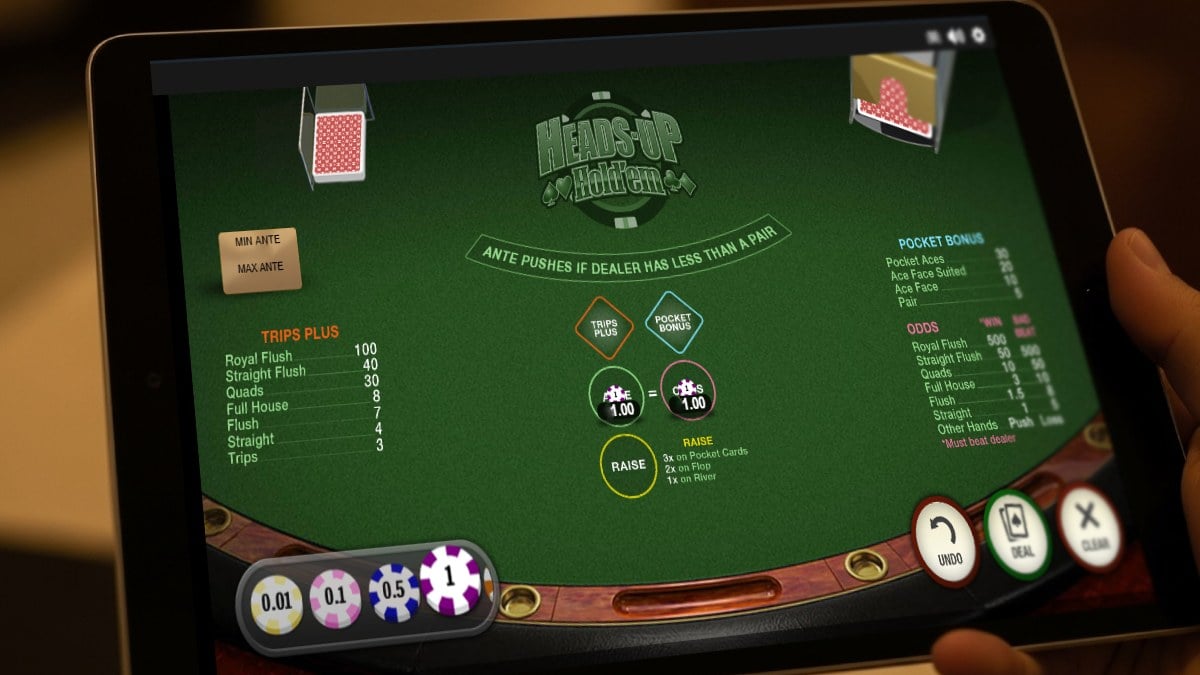

Heads up poker strips the game down to its core, leaving only two players facing each other, and with no crowd of opponents, the pace picks up and the decisions get personal.
In this fast, focused format, you rely on quick reads, tight control, and psychological balance.
Heads-up games appear in tournaments, cash play, and online matches, and learning how they work can help sharpen both tactical and emotional awareness at the table.
What Is Heads Up Poker?
Heads up poker is a format built for two competitors. The game follows standard poker principles—betting rounds, hand rankings, and blinds—but its rhythm feels completely different. Fewer players mean more direct confrontations and a wider range of playable hands.
Every decision matters more because there’s no room to wait for premium cards. Aggression, timing, and reading your opponent’s habits replace passive play. Games often swing rapidly, rewarding those who adapt instead of sticking to predictable strategies.
Most online poker rooms and live venues offer heads up tables. These platforms make it easy to switch between cash games and short-format tournaments, offering a smooth entry point for players eager to test their one-on-one skills.
Can You Play Poker with Two People?
Poker works perfectly well with only two players. The setup adjusts slightly, but the core mechanics stay the same. The dealer position alternates each hand, as does the small and big blind. This rotation keeps the game fair and forces both players to handle every position equally.
In a two-player match, the pace quickens because there’s no waiting for others to act. Blinds come around faster, and hand ranges expand since you’re constantly under pressure to play. Folding too often means losing chips to the blinds, while overplaying weak cards can backfire fast.
Online tables make this format easy to access, offering private matches and heads up cash games through many online poker sites. These platforms provide real-time action, allowing players to refine reading skills and betting patterns without needing a full table. For many, this version becomes the best training ground for improving awareness and adaptability.
Heads Up Poker Rules Explained
The basic structure of heads up play mirrors Texas Hold’em but introduces a few unique elements that change how each hand develops. Sites offering the best poker bonuses often promote heads up tables for their intensity and learning potential.
Understanding these distinctions helps players adjust naturally once the table narrows down to two contenders.
- Dealer and blinds: In heads up poker, the dealer posts the small blind instead of sitting out the first wager. This adjustment keeps the action balanced between the two seats. The dealer acts first before the flop but last on every street after it, creating a continuous positional battle.
- Action order: The big blind makes the first decision before the flop, choosing to raise, call, or check if the small blind has only posted. Once community cards appear, the action reverses, and the small blind—who doubles as the dealer—acts first. This alternating sequence requires sharper awareness of when you’ll act and how to exploit each position effectively.
- Hand ranges: With only two players, a wider variety of starting hands becomes playable. Cards like King-8, Queen-6 suited, or even low connectors can gain real value. The absence of multiple opponents means the odds of facing stronger holdings drop significantly. Because of this, selective aggression replaces tight patience, turning weaker hands into viable weapons through pressure and timing.
- Aggression: Passive play rarely succeeds in a heads up match. Raising and re-raising often define the pace, forcing opponents to defend blinds constantly. Most pots end before reaching the river, and many are decided without a full showdown. The dynamic rewards players who combine controlled aggression with observation rather than those who wait for perfect cards.
- Bluffing: Since only one opponent is watching, bluffing becomes an integral part of strategy. Successful bluffs depend on consistency, believable storylines, and a grasp of your opponent’s tendencies. Overbluffing invites punishment, but a few well-timed moves can shift momentum dramatically in your favor.
Blinds and Position in Heads Up Poker
Blinds in heads up poker rotate between the two players every hand. The dealer places the small blind, while the opponent posts the big blind. After each deal, the button shifts, reversing the roles. Because positions change so often, both players share equal time in attack and defense.
Position dictates strategy in every round. Acting last after the flop gives the small blind—who becomes the dealer—the edge in most hands. This advantage lets them react rather than guess. Preflop, though, the big blind has the final word before the cards come down, which balances the equation slightly.
Managing these transitions is crucial when playing online poker, where pace can be relentless. Fast decisions around blinds and position separate solid players from those who rely purely on card strength. Recognizing when to pressure and when to hold back often determines who controls the rhythm of a match.
Strategic Adjustments for One-on-One Play
Heads up games reward constant adaptation. You can’t depend on static strategies because dynamics shift hand to hand. Success comes from reading tendencies and switching gears quickly when needed.
- Widen your range: With fewer opponents, hands that would normally be folded—like low suited connectors—gain playability.
- Stay aggressive: Frequent raises apply pressure and limit your opponent’s control. Passive play leaks chips fast.
- Use position effectively: Acting last offers more information, letting you decide whether to push or check back.
- Mix your tempo: Varying your speed and bet size keeps opponents uncertain. Predictability is easy to exploit.
- Adapt to psychology: Adjust your approach based on whether the other player tilts easily or stays composed under pressure.
In a heads up poker game, consistency and adaptability walk hand in hand. The best performers learn to blend intuition with structure, finding rhythm through observation rather than pure theory.
Psychology and Reading Opponents
The mental side of heads up poker often outweighs pure technical skill. Facing one opponent means every action reveals something—timing, hesitation, or sudden aggression. Understanding those signals builds an edge over time. Experienced players learn to notice small patterns: how quickly someone bets, how they size raises after losing a hand, or how their behavior changes under pressure.
Bluffing plays a central role, but successful bluffing depends on reading emotion and rhythm. Overusing deception weakens credibility, while well-timed bluffs force opponents into mistakes. Emotional control matters just as much as observation. Tilt, impatience, and frustration lead to reckless play that a calm opponent can exploit.
That balance between logic and instinct defines the heads up poker meaning better than any rulebook. Once you understand what does heads up mean in poker from a psychological standpoint, it becomes clear that mental composure often beats raw aggression.
Heads Up Poker in Texas Hold’em Formats
Heads up Texas Hold’em keeps the familiar structure of blinds, flop, turn, and river, but shifts the importance of each phase. Hand values rise, and marginal cards gain power because there’s only one opponent to beat. Players raise more often before the flop and rely on aggression to capture smaller pots that add up over time.
Post-flop play becomes a duel of interpretation rather than pure math. Top pair often wins, but reading board texture and betting flow carries equal weight. The blinds in heads up poker create constant motion, demanding players stay alert from the first deal to the last chip.
This version highlights poker’s competitive essence—fast, personal, and unfiltered. It rewards courage, quick thinking, and a willingness to play both sides of every situation.
Online Platforms for Practicing Heads Up Poker
Online play offers a convenient way to refine heads up skills without waiting for a live table to open. Many poker rooms now feature designated one-on-one tables and quick-match modes where players can face opponents of similar experience. The speed of digital dealing and the volume of hands help sharpen instincts faster than casual in-person sessions.
Before joining, it’s worth learning how to play heads up poker within your chosen platform’s structure. Some sites tweak blind levels or bet sizing rules for faster gameplay, while others mimic live casino pacing. Tournament formats may use escalating blinds to increase pressure, while cash games allow longer, more analytical battles.
Most online communities track performance data and offer replay features, letting you review decisions hand by hand. Whether practicing for cash games or competition, these settings encourage focus and discipline while reinforcing core heads up poker rules through repetition and exposure.
Conclusion — Mastering Heads Up Poker
This type of poker sharpens instincts like few other formats. The one-on-one setup tests patience, aggression, and nerve, all at once.
Players who study this format often find their overall game improving, since every weakness becomes visible under pressure. Each hand becomes a quick study in psychology and timing, revealing how strategy and intuition intertwine in real play.
Once you learn to handle the intensity of heads up matches, every larger table feels more manageable and deliberate.




Published: Nov 14, 2025 04:34 am