


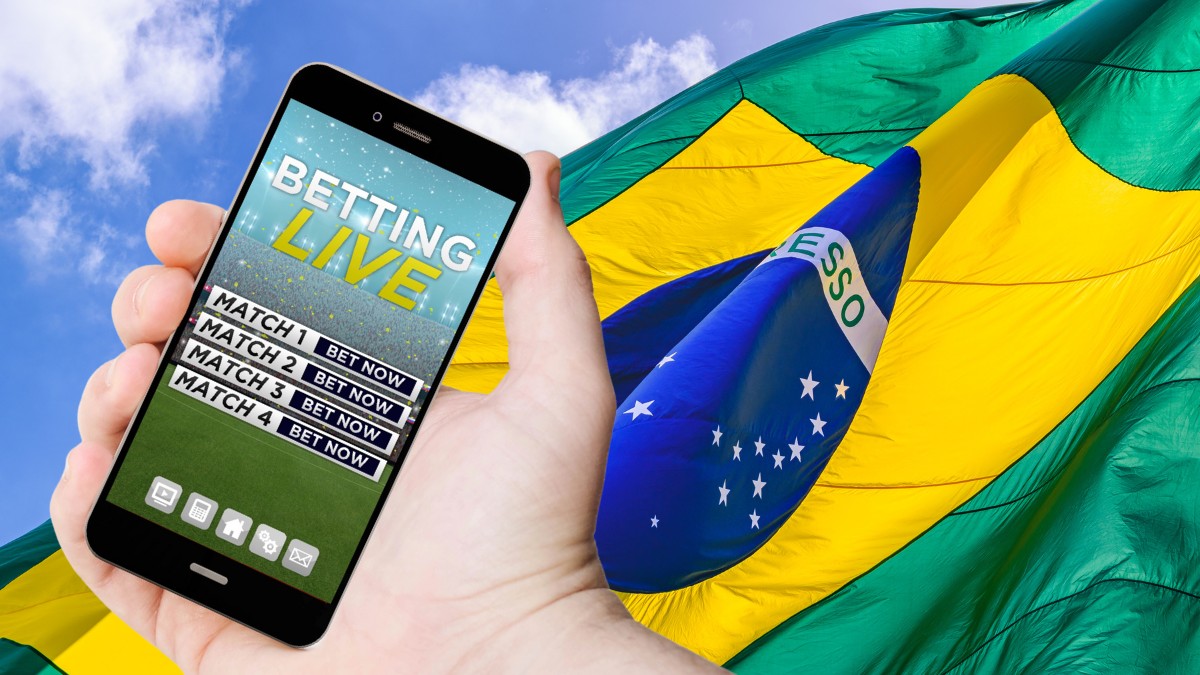

Brazil has entered a new chapter in its gambling history with the approval of a major fixed-odds betting license. The decision by the Secretariat of Prizes and Bets, under the Ministry of Finance, introduces clear rules for operators and creates a regulated environment for players.
The Brazil betting license outlines requirements for equity ownership, online domain use, advertising restrictions, and multi-year validity. These measures aim to strengthen consumer protections, generate public revenue, and reduce the influence of illegal operators.
For the industry, the move marks the formal opening of the Brazilian online gaming market, one of the largest potential audiences in the world.
International companies now have a framework to enter through local partnerships, while domestic investors gain access to modern technology and global expertise. For players, the benefits include safer payments, regulated odds, and transparent protections that were previously missing.
The Brazil Betting License at a Glance
The new fixed-odds betting framework in Brazil sets clear conditions for operators seeking to enter one of the most promising gambling markets in the world.
While the approval of a single license may seem like a routine regulatory act, the structure behind it reveals how the Ministry of Finance intends to balance opportunity, accountability, and consumer safety for everything from esports gambling on the best Call of Duty betting sites to online casinos.
The framework provides the scaffolding for an entire industry, from ownership rules and online visibility to long-term stability and advertising conduct.
Shareholding Rule
Brazil has placed a strong emphasis on ensuring that domestic capital remains an active part of the industry. To qualify for authorization, an operator must either be headquartered in Brazil or partner with a local company that holds at least 20 percent equity.
According to the Ministry of Finance, this prevents the market from becoming dominated by wholly foreign-owned groups while still allowing international expertise to flow in.
The shareholding rule encourages joint ventures between international betting operators and Brazilian firms. These collaborations are not only financial, but also strategic, combining the global experience of established brands with the local cultural knowledge and networks of domestic partners.
This requirement also keeps profits tied to Brazil’s economy, ensuring reinvestment and job creation in areas such as technology, compliance, and customer support. For companies hoping to break into Brazil, aligning with a domestic partner has become essential.
Domain Rule
Another essential component of the framework is the mandatory use of .bet.br domains by licensed operators. The SPA introduced this rule to give players a simple, visible way to recognize whether a platform is authorized. For bettors navigating a digital marketplace filled with offshore sites, the .bet.br domain will act as a government-approved seal of legitimacy.
This regulation also carries consequences for marketing and brand strategy.
International operators accustomed to promoting global domains must now reestablish brand recognition under a new Brazilian web address. Search engine optimization efforts will need to account for this change, and companies must educate consumers to look for the .bet.br extension as a marker of safety.
While state and municipal lottery bodies have expressed concern that this rule could create friction with their own branding, the federal stance is clear: the domain rule is a cornerstone of consumer trust and must be used.
Licence Validity and Brand Slots
One of the most operator-friendly features of Brazil’s regulatory model is its flexibility on brand slots.
A single license, which costs BRL 30 million, covers up to three distinct brands. Each authorization is valid for five years, typically running through December 2029 for the first wave of approvals. This allows operators to pursue diversified strategies, launching separate sportsbooks, bingo platforms, or hybrid products under one umbrella.
The five-year window gives companies enough time to recover upfront costs, build a customer base, and refine their technology. It also provides predictability for investors, who can plan on medium-term stability without fearing sudden regulatory reversals.
For consumers, multi-brand portfolios mean greater choice. A single corporate operator could offer different experiences tailored to casual bettors, esports enthusiasts, or traditional lottery players, all within the same compliance framework.
Advertising Landscape
The future of betting in South America is closely tied to its marketing strategies; this is where Brazil’s regulatory environment diverges most sharply from global trends.
The Senate has approved Bill 2,985/2023, which imposes strict limitations on how gambling products may be promoted. If enacted into law, the measure will prohibit the use of celebrities, athletes, or digital influencers in advertising. It will also set time-of-day restrictions on when gambling ads may appear across media channels.
This approach reflects mounting social concerns about gambling exposure, especially among younger audiences. For operators, it means that strategies built on star endorsements or viral influencer campaigns must be rethought. Instead, companies will need to emphasize responsible gambling messages, transparent odds, and factual promotions.
Sponsorship of sports teams, esports tournaments, or streaming personalities may face particular scrutiny.
While these restrictions appear limiting, they also create a level playing field. Operators will compete less on flashy marketing and more on product quality, reliability, and user experience. From a long-term perspective, the advertising framework is designed to encourage sustainable growth while minimizing social risk.
Why Is the Brazil Online Gaming Market Important?
The authorization of fixed-odds betting in Brazil is not an isolated regulatory event, but the formal unveiling of one of the most significant online gaming opportunities in the world. With more than 200 million people, a deeply ingrained sports culture, and rising internet penetration, Brazil offers a scale unmatched in Latin America.
The country’s shift to regulated betting makes the Brazilian online gaming market central to the global industry’s future.
The approval process provides the legitimacy that international operators have been waiting for, while also granting local companies the chance to build partnerships and access advanced technologies.
At the same time, Brazilian bettors gain safer options and more transparent platforms. Understanding this dynamic is crucial for anyone watching the evolution of sports wagering, esports integration, or entertainment-driven gaming.
Bet Do Milhão Brazil Launch
The most prominent example of regulation in action is the launch of Bet do Milhão Brazil.
Licensed in June 2025 under TQJ-PAR Participações Societárias, the platform quickly positioned itself as the flagship brand within its three-brand allocation. Bet do Milhão officially went live in July 2025, becoming one of the earliest platforms to transition from regulatory approval to operational status.
The brand is powered by OpenBet technology, a global leader in betting software solutions, ensuring scalability and compliance. The backing of the Silvio Santos Group, one of Brazil’s most recognizable media conglomerates, allows Bet do Milhão to connect directly with television audiences.
The combination of media integration and betting services creates a hybrid entertainment model that resonates with Brazilian culture, where game shows and televised draws have long been popular.
Bet do Milhão also signals a broader strategy: aligning with esports and digital-first communities.
By offering betting on competitive gaming titles, the platform extends its reach beyond traditional sports and into a younger demographic already accustomed to online engagement. This positions Bet do Milhão as more than a conventional sportsbook, but rather as a multipurpose entertainment portal designed for diverse audiences.
The speed of Bet do Milhão’s rollout underscores the value of regulatory clarity. With a license in place, operators can confidently invest in branding, payment systems, and customer acquisition strategies. For the industry, this case demonstrates how quickly Brazil’s regulated market can come to life once approvals are granted.
Other Considerations
While Bet do Milhão shows the opportunity, broader conditions shape the reality of doing business in Brazil. Two key factors, taxation and enforcement, stand out as defining characteristics of the market.
Taxation
The fiscal framework around fixed-odds betting Brazil is designed to maximize government revenue while maintaining operator interest.
Initially, the baseline tax was set at 12 percent of gross gaming revenue. However, a Provisional Measure enacted in June 2025 raised the rate to 18 percent, pending confirmation by Congress. At the same time, individual players are required to pay a 15 percent income tax on net winnings.
This dual taxation system changes profit calculations significantly. For operators, the higher gross revenue levy may tighten margins and influence decisions around odds-setting, promotional budgets, or customer incentives. For players, awareness of personal tax obligations shapes how winnings are managed and reported.
However, the clarity of taxation rules also provides predictability, as companies know exactly what they owe, and players understand the framework before placing bets.
While higher tax rates may initially discourage some operators, the size of Brazil’s market makes the opportunity compelling, regardless of this fact. Even with elevated levies, the potential customer base and revenue volume outweigh the costs.
Black-Market Strategy
The SPA has been vocal about its intent to dismantle Brazil’s black market for gambling, utilizing measures that include blocking access to unlicensed websites, ordering internet service providers to reroute traffic away from offshore platforms, and prohibiting payment processors from facilitating deposits and withdrawals for unauthorized operators.
This crackdown has already shown results, with reports of thousands of unlicensed websites being blocked in mid-2025. By cutting off both access and financial pathways, regulators funnel players toward licensed platforms, boosting legal participation and reducing the influence of illicit actors.
The black-market strategy also strengthens consumer protection. Bettors no longer need to wonder if their deposits are safe or if winnings will be paid (similarly to how players often specifically search for safe online casinos).
Licensed operators are held accountable under Brazilian law, offering dispute resolution and transparency mechanisms that offshore platforms often lack.
Esports Betting in Brazil Under New Rules
The rise of esports has reshaped global entertainment, and Brazil is no exception.
Millions of Brazilians watch competitive gaming events each year, following local teams and international tournaments across platforms like Twitch and YouTube.
Until recently, betting on these events operated in a gray zone, dominated by offshore websites with little accountability. The new fixed-odds betting framework transforms that reality, bringing esports into the same legal fold as traditional sports. The sports betting regulation Brazil now enforces provides clarity for operators, structure for competitions, and protection for gamers.
Legal Esports Betting
With the passage of Law No. 14,790/2023 in December 2023, esports betting gained legal recognition. The full rollout in January 2025 cemented this status, allowing players to place wagers on competitive video game events through licensed operators.
Regulators have already begun shutting down irregular gambling platforms, reinforcing the principle that only authorized companies can offer esports betting. This ensures that fans wagering on events like League of Legends tournaments or Counter-Strike 2 matches are participating in a system with enforceable protections.
The legalization also helps esports gain broader legitimacy in Brazil.
Where some skeptics once viewed gaming as a niche activity, its inclusion in regulated betting frameworks positions esports alongside soccer, basketball, and other mainstream sports. This recognition underscores the cultural and economic significance of competitive gaming.
Titles and Market Scope
Not every game qualifies for betting under the new system. Regulators focus on titles with established leagues, transparent rules, and consistent oversight.
Games like Counter-Strike 2, VALORANT betting sites, FIFA-based competitions, and League of Legends are among the most practical for wagering because of their mature competitive ecosystems.
This selective approach serves two purposes: First, it avoids the risks of unregulated titles that lack standardized tournament structures. Second, it ensures that bettors have access to games with a proven track record of fair play and audience engagement.
By emphasizing popular, globally recognized titles, Brazil is aligning its esports betting market with international norms.
Industry observers expect the esports segment to grow rapidly under the regulated model. Brazil already has one of the world’s largest gaming audiences, and the inclusion of esports in legal betting is likely to drive both viewership and revenue.
Licensed operators can now build specialized products tailored to gaming fans, from in-play betting to integrated streaming features.
Sponsorships and Advertising
The advertising landscape, however, introduces challenges for esports organizations. The Senate-approved Bill 2,985/2023 seeks to restrict the use of celebrities, athletes, and influencers in gambling promotions. If signed into law, this would directly affect esports teams and streamers, many of whom rely on sponsorships from betting companies.
Regulators believe these restrictions are necessary to protect minors, who make up a significant portion of the esports audience. For teams, this could mean fewer opportunities for flashy partnerships, but it may also lead to more responsible and sustainable sponsorships.
Instead of influencer-driven campaigns, betting companies may focus on transparent branding and responsible gambling messaging.
This change reflects a broader shift in global advertising trends. Rather than relying on endorsements that blur the lines between content and promotion, operators will need to engage audiences through product quality and compliance-driven campaigns.
For esports, the long-term effect could be a more professionalized industry that is less dependent on marketing stunts.
Payment Systems
One of the most significant issues facing esports bettors has been payment security.
Offshore operators often relied on unregulated digital wallets or cryptocurrency transactions, leaving players vulnerable to fraud or payment delays. The new regulatory framework directly addresses this by requiring licensed operators to use approved payment processors and blocking unlicensed transactions.
The Ministry of Finance has already ordered internet providers and banks to cut ties with unauthorized platforms. For esports bettors, this means deposits and withdrawals are now handled within the same financial oversight that governs other regulated industries. It also reduces the risk of funds disappearing into offshore accounts.
The integration of secure payment systems not only boosts consumer confidence but also supports industry growth. Gamers can participate knowing that their wagers are tracked, regulated, and subject to legal protections. Licensed operators, in turn, gain access to legitimate banking channels that help them scale responsibly.
What the Sports Betting Regulation in Brazil Offers?
The approval of the Brazil betting license is not just about operators, tax policies, or domain rules. For players themselves, the new framework reshapes how gaming and betting intersect daily, including their ability to potentially earn a spot at offering the best betting sites.
Whether in São Paulo or São Francisco, gamers now interact with a system that is more transparent, secure, and globally aligned. The sports betting regulation introduced in Brazil creates a safer and more engaging ecosystem that affects both local users and international communities.
Legal Esports Betting at Last
With the rollout of Law No. 14,790/2023 and the January 2025 regulations, esports betting has been recognized as a legitimate activity under Brazilian law. Fans can now place wagers on tournaments like League of Legends or Counter-Strike 2 without relying on unlicensed offshore websites.
This legitimization enhances the credibility of esports, putting it on par with traditional sports such as soccer or basketball. It also expands entertainment options for the millions of Brazilians who already follow esports closely, offering a regulated way to deepen their engagement.
Safety and Consumer Protections
One of the most transformative aspects of regulation is the introduction of strict consumer safeguards. Licensed operators must comply with anti-money laundering rules, fraud detection systems, and rigorous age verification protocols. Some companies are even incorporating biometric tools like facial recognition for secure logins and wagering.
Self-exclusion systems are also mandatory, giving players the option to block themselves from platforms if they feel their gambling is becoming problematic. These protections make betting safer and give gamers peace of mind.
Playing vs Betting
Regulators have taken care to distinguish between skill-based competitions and games of chance. Fantasy sports, which depend heavily on knowledge and statistical analysis for outcomes, are not considered gambling under Brazilian law.
This means fantasy leagues remain outside the betting framework, allowing participants to play without additional oversight.
The distinction reassures players that everyday gaming activities remain free from regulation, while betting on professional esports events is clearly covered.
Tax Implications
The taxation framework extends directly to players. All net winnings from betting are subject to a 15 percent income tax. While this adds a layer of responsibility, it also provides clarity and predictability.
Operators face an 18 percent levy on gross gaming revenue, a cost that may indirectly influence odds or fees. Gamers benefit from knowing how winnings are treated under the law, eliminating the uncertainty of previous years when offshore sites provided no clear guidance on tax obligations.
Fight Against Illegal Platforms
Brazil’s Ministry of Finance has already taken bold steps to block thousands of unlicensed betting websites.
The government had moved aggressively to curb irregular platforms by cutting off access and prohibiting payment processors from handling transactions. This crackdown forces players toward licensed operators, ensuring that their funds are secure and their rights are protected.
For gamers, the result is a more stable environment where they can focus on the excitement of play, rather than the risks of fraud.
Pressure for Responsible Marketing
Gamers can expect significant changes in how betting is promoted. Bill 2,985/2023, passed by the Senate, prohibits the use of celebrities, professional athletes, and influencers in gambling campaigns. It also restricts when ads can appear on television and digital platforms. This means fewer flashy endorsements and more emphasis on responsible gambling messages.
For younger gamers, especially, this change reduces exposure to potentially harmful marketing. For the broader community, it signals a shift toward a more measured and socially responsible betting environment.
The Future of Fixed-Odds Betting in Brazil
The authorization of a Brazilian betting license signals a turning point for one of the world’s largest emerging gaming markets. By establishing rules on ownership, branding, taxation, and advertising, Brazil has set the foundation for a modern industry built on transparency and responsibility.
The launch of Bet do Milhão Brazil and the integration of esports wagering highlight the potential scale of this transformation. For gamers, operators, and policymakers alike, the framework provides stability and opportunity.
Those who are interested should keep their eyes open for further developments as the Brazil online gaming market continues to expand and adapt.






Published: Oct 16, 2025 01:07 pm