


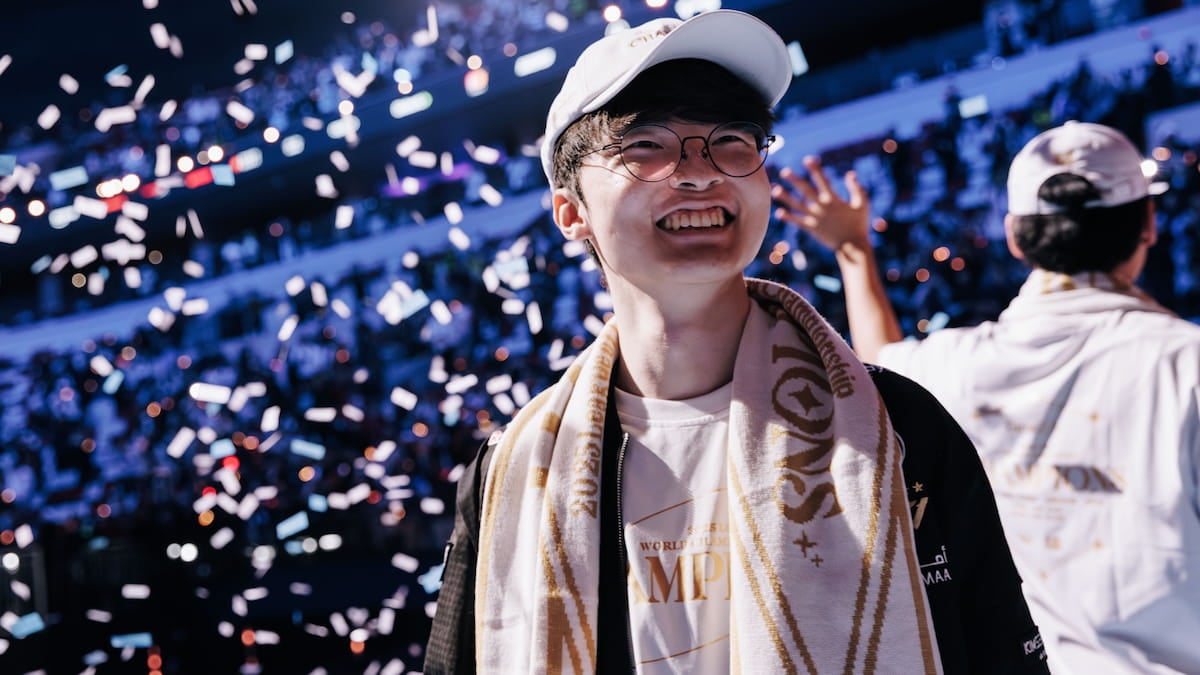

The most iconic figure in professional League of Legends, Lee “Faker” Sang-hyeok, is set to meet with South Korea’s Prime Minister Kim Min-seok, a move that underscores how deeply gaming and esports have entered the national conversation and reflects the country’s ambition to keep evolving as it grows and strengthens its esports scene.
The meeting, confirmed by News1 Korea, is expected to focus on the future of South Korea’s gaming ecosystem, which has long been a pillar of the country’s global cultural influence. Faker, widely regarded as the greatest esports player of all time, has become more than just a League player. He is a symbol of discipline, longevity, and international success in a field that now rivals traditional sports in viewership and revenue.
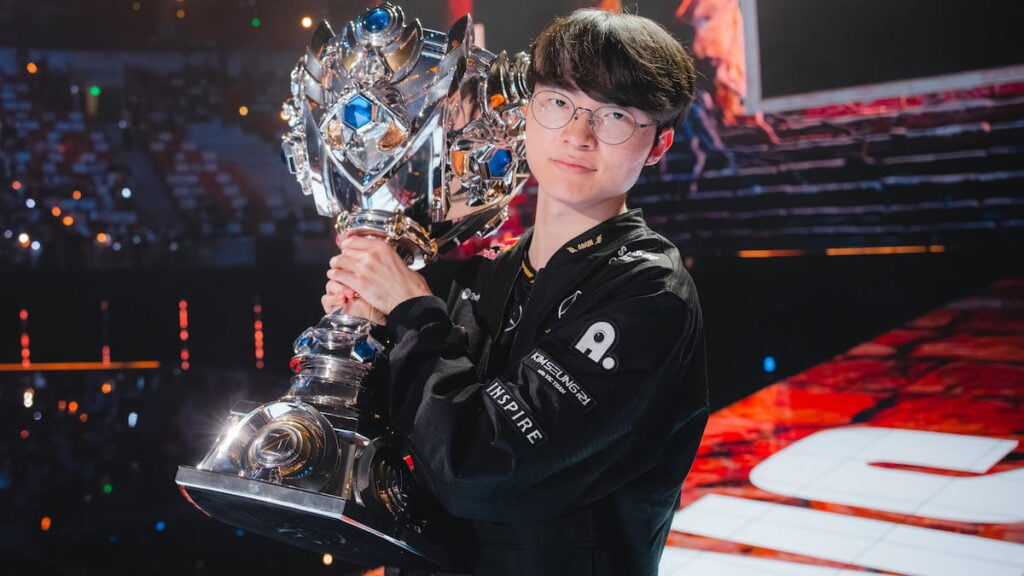
While official details remain limited, several key discussion points are likely to surface once the meeting is done. One area may be esports as a national industry, including how government policy can support teams, developers, and tournament organizers while maintaining healthy labor standards for players. Issues such as player contracts, burnout, and career longevity have become increasingly visible as the scene matures, and the government could potentially step in to address them.
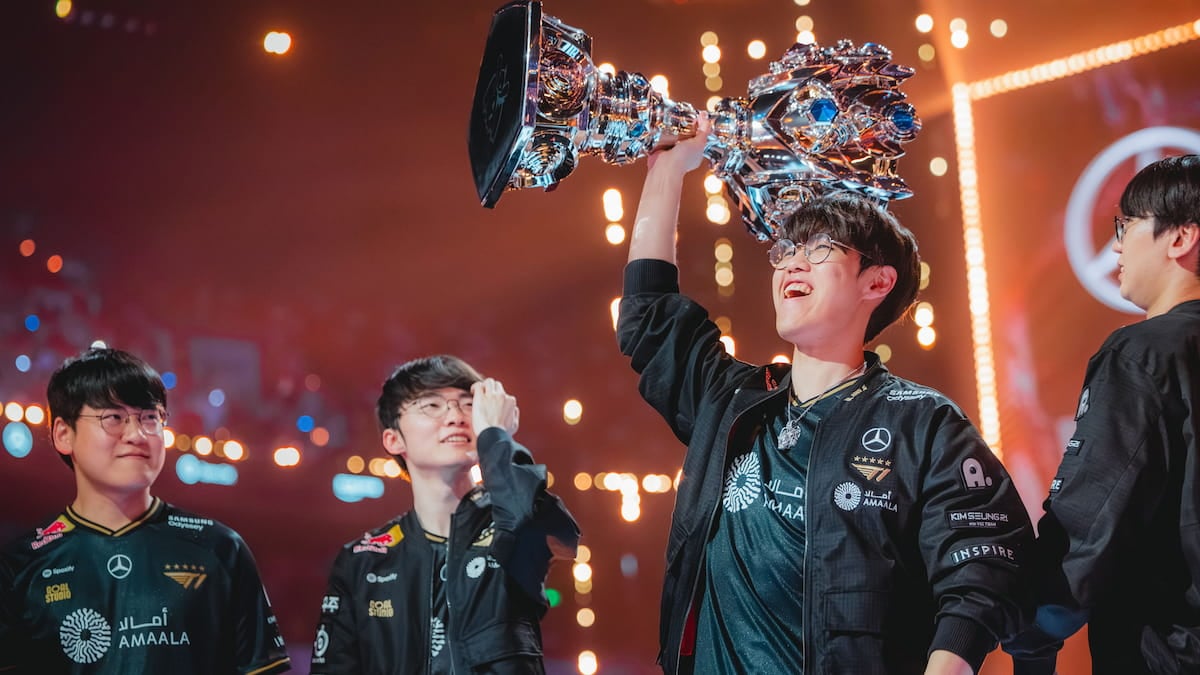
Faker is a part of the most storied esports organization, T1, and the organization has won the most World Championships, which also gives it a passionate and loyal fanbase. However, a few of these fans also become very toxic and cross boundaries to slander T1 and their coaching staff if something goes wrong, which affects the mental health of the team.
Recently, South Korean National Assembly member Jeon Yong-gi publicly condemned the cyberbullying of Gumayusi when he made his transfer from T1 to Hanwha Life Esports. If the government wants to intervene in these situations to safeguard the interests of the upcoming esports players in the country, it would be a big change for them.
Another probable topic for discussion could be military service and alternative service paths for elite esports athletes. The meeting could reopen conversations about exemptions, deferred military service, which is mandatory for able-bodied men in the country. While a few esports players have been exempted from the service, as they secured a gold medal in the Asian Games, there could be better ways to prolong an esports player’s career to make it more lucrative for the young players in the country playing in PC Bangs.
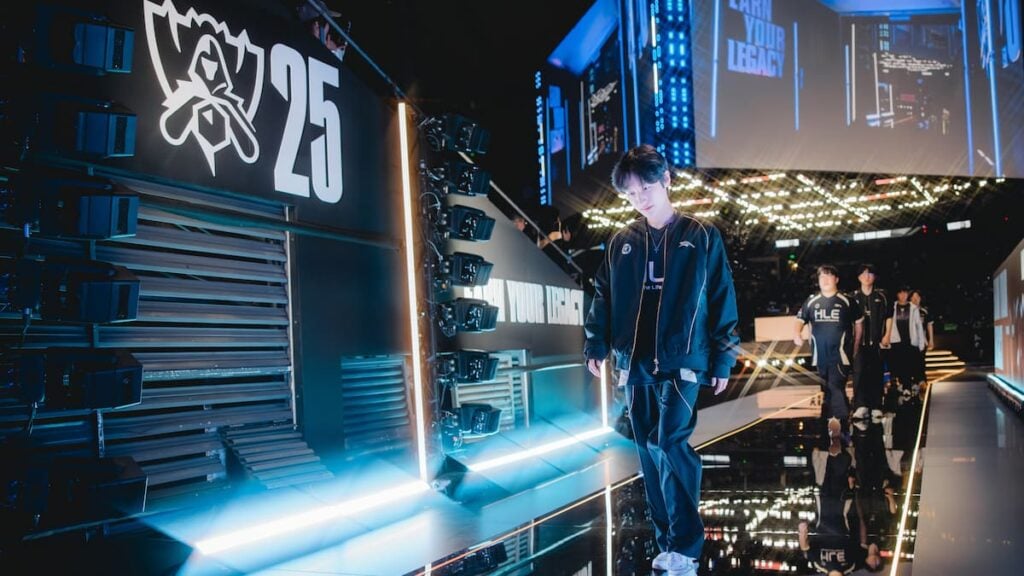
Education and youth development may also be on the agenda. Faker has often spoken about balance, personal growth, and responsibility, making him a credible voice in discussions about integrating gaming with education, digital literacy, and mental health support for young players in South Korea. Faker’s perspective, shaped by over a decade at the top level of competition, offers rare insight into what players need to thrive in a rapidly evolving industry.
The meeting itself signals a broader shift. Esports in South Korea is no longer viewed as simple entertainment: it is policy-relevant, economically significant, and culturally influential. Bringing Faker into direct conversation with the country’s highest political office shows just how seriously South Korea is approaching the future of gaming and its role on the global stage.
That perspective echoes sentiments recently shared by T1 head coach Kim “kkOma” Jeong gyun, who credited the early pioneers of Korean esports for building the foundation of the country’s global dominance.

Published: Dec 16, 2025 04:20 pm