


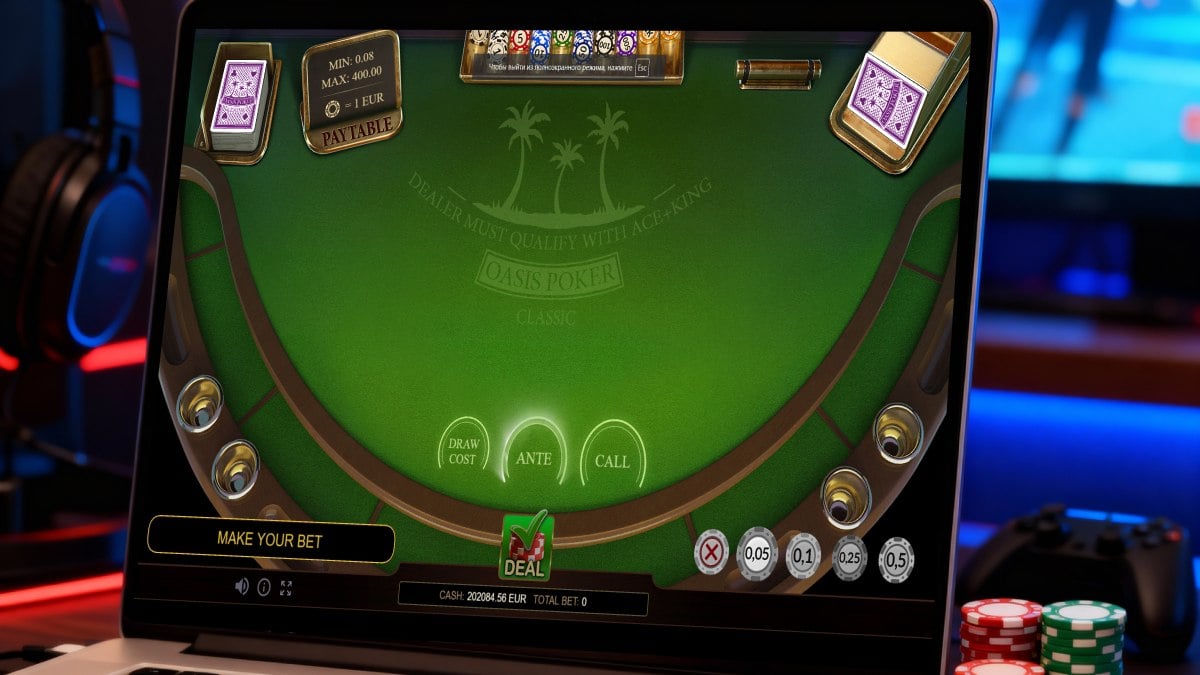

Poker rewards structure, patience, and calculation. New players often focus on luck, but the real foundation lies in understanding mechanics—the order of play, the role of position, and the discipline of selective aggression.
This roadmap introduces the basic framework of poker, from hand values and betting rounds to managing chips and reading table flow. Whether you’re starting a casual home game or playing online for the first time, these steps build the skills needed to play with clarity and confidence.
Playing Poker Like a Pro: The Beginning
The core aim in poker is simple: win chips by holding the strongest hand at showdown or by pressuring opponents into folding before cards are revealed. Every move serves that purpose. Success depends on combining probability, psychology, and timing—not blind risk.
Each round unfolds as a contest of information. Players assess community cards, betting patterns, and table position to decide whether continuing in a hand carries value. This constant judgment shapes both short-term tactics and long-term learning.
The structure remains identical across formats, whether in home games, tournaments, or in online casinos where you can play poker. Chips represent currency, hands represent opportunity, and every decision either saves or spends potential value. Over time, measured choices replace hesitation, turning random outcomes into deliberate results.
Hand Rankings
Every poker decision starts with understanding which hands carry value. The official hand hierarchy defines all winning outcomes, whether in casual games or professional tournaments. Players must evaluate their cards not in isolation, but relative to these rankings and the board texture.
- Royal Flush – Ace through 10 of the same suit, the rarest possible hand.
- Straight Flush – 5 cards in sequence, same suit.
- Four of a Kind – 4 cards of equal rank, plus one side card.
- Full House – 3 cards of one rank and two of another.
- Flush – 5 cards not in sequence, same suit.
- Straight – 5 cards in sequence, any suit.
- Three of a Kind – 3 cards of the same rank and two unconnected cards.
- Two Pair – 2 distinct pairs and one kicker.
- One Pair – A single pair and three unmatched cards.
- High Card – The top individual card when no combinations form.
Each ranking builds upon the previous one, creating a hierarchy that defines risk and reward. New players should memorize these hands before practicing advanced strategy.
Many online casinos where you can play poker feature interactive tutorials and quick-reference charts that reinforce this order through repetition. Building familiarity early prevents hesitation and forms the backbone of consistent decision-making.
How a Hand Plays Out
Poker follows a defined rhythm. Each round moves through fixed stages that create structure and opportunity. The example below describes a standard hand of Texas Hold’em, the format that introduced millions to modern poker.
- Preflop – Every player receives two hole cards. Action begins with the player left of the big blind. Options include folding, calling the blind amount, or raising.
- Flop – The dealer places three community cards face up. Players now combine their hole cards with these shared cards to assess potential strength.
- Turn – A fourth community card appears. Bets typically increase at this stage, as patterns and draws become clearer.
- River – The fifth and final community card is revealed. Players make one last round of bets before the showdown.
- Showdown – Active players reveal their cards, and the best five-card hand wins the pot.
These Texas Hold ‘em rules apply in nearly every casino and online variant. In early stages, most hands should be approached with patience—fold weak cards and wait for combinations worth building around.
Learning how to play poker games step by step turns chaos into rhythm; when each phase becomes automatic, energy can shift from remembering rules to observing opponents.
Blinds, Antes, and Betting Actions
Every hand begins with money in the pot. Without that foundation, players would have no incentive to compete. Blinds and antes create that foundation by forcing initial contributions before cards are dealt.
In most Hold’em games, two players post blinds: the small blind and the big blind. These rotating positions ensure everyone contributes equally over time. Antes, often used in tournaments or mixed games, are smaller mandatory bets placed by all players before the deal. They increase the pot size and encourage early engagement.
Once the cards arrive, betting actions take over. Poker language might sound simple—check, bet, call, raise, fold—but each choice carries weight.
- A check passes action without adding chips.
- A bet introduces new money into the pot, signaling strength or testing others.
- A call matches an existing bet to stay in the hand.
- A raise increases the price to continue, putting pressure on weaker ranges.
- A fold surrenders cards and forfeits any previous contribution.
These small exchanges define poker’s rhythm. The order of movement matters, as acting later gives more information about opponents’ intentions. That single factor—position—can turn a marginal hand into a profitable one.
Some online poker rooms now offer low-stakes environments designed to practice this balance of timing and patience, giving new players controlled spaces to refine judgment before playing higher limits.
Table Position and Showdown Rules
Position isn’t just a seat at the table—it’s a source of information. Acting last allows a player to see how everyone else reacts before making a decision. Early seats face the hardest challenge: acting blindly without knowing what others will do. Later positions, like the button, can shape pots with smaller risks. Understanding this flow helps structure betting ranges effectively.
At showdown, the remaining players reveal their hands. The winner is determined by the best five-card combination, drawn from each player’s hole cards and the community cards on the table. If multiple players share the same hand strength, the next-highest unpaired card, called a kicker, decides the outcome. When all five cards match perfectly, the pot is split evenly.
Position and showdown logic work together. Strong players build hands that perform well across multiple streets while keeping positional advantage. Over time, the ability to judge when a hand holds or loses value forms the difference between steady progress and gradual decline. Understanding these fundamentals clarifies the real ways to win poker rather than relying on instinct alone.
Common Beginner Mistakes
Every new player slips into patterns that cost money quietly rather than through a single big loss. Understanding those habits early makes progress faster and less expensive.
- Playing too many hands. New players often assume constant activity equals progress. In reality, loose play creates expensive mistakes after the flop. Waiting for stronger starting hands and observing opponents instead of joining every pot builds a steadier rhythm.
- Chasing losses. Trying to win back chips after a setback often leads to reckless aggression. The urge to recover quickly turns one poor decision into several. Reset by taking a short break or lowering stakes to regain focus.
- Ignoring position. Acting early in a hand leaves little information to work with. Players in later seats watch how others bet before deciding, which gives a clear tactical edge. Understanding when to tighten up or widen your range based on position forms a key part of consistent play.
- Misreading pot odds. Every bet should make mathematical sense. Calling without calculating the probability of improvement drains funds over time. Estimating whether a draw will hit often determines whether a call is justified or not.
- Showing emotion at the table. Visible frustration or overconfidence gives away information. Emotional control hides strength and weakness equally, forcing opponents to rely on incomplete data. Calm behavior keeps control over perception.
- Neglecting bankroll limits. A bankroll isn’t just money—it’s a record of discipline. Divide funds into smaller sessions so one bad run never ends participation entirely. Protecting capital allows the learning process to continue without pressure.
New players can sidestep many of these errors by studying real play at different stakes and formats.
Observing consistent decision-making across trusted environments helps refine instincts. To compare safe, reputable options, you can check our list of the best poker sites, where rule sets, limits, and payout structures are reviewed under clear regulation.
Bankroll and Home Game Setup
Poker often starts with casual games among friends. Building a proper setup at home turns those nights into structured, fair sessions rather than loose social rounds. A basic kit needs three elements: quality cards, weighted chips, and a dealer button to track position. Clear rules prevent confusion about bets, blinds, or payouts.
Budgeting applies even in friendly games. Divide available funds into smaller sessions instead of risking the full amount at once. Once that portion runs out, the game ends for the night. This keeps emotions steady and decisions rational.
Many players prefer to fund digital versions using cryptocurrency, where deposits and withdrawals move faster and limits are transparent. Platforms supporting bitcoin poker offer that flexibility while preserving traditional gameplay mechanics. Whether playing with friends or online, structure, patience, and accountability keep poker enjoyable and sustainable.
Conclusion: Playing Like a Pro!
Poker growth happens through structure and repetition. Each decision connects to math, position, and measured awareness of the table. Players who practice deliberate actions over impulsive reactions learn to read outcomes more clearly.
Understanding how every rule interacts builds steadiness. Hand rankings, betting order, and bankroll management serve as the framework for consistent play across any format. Over time, this focus replaces tension with calculation, helping players judge situations without emotion.
Skill in poker develops gradually. It does not rely on streaks or luck but on learning to make accurate choices in changing conditions. Once that discipline settles in, every game becomes an exercise in control rather than chance.







Published: Oct 24, 2025 04:18 am