


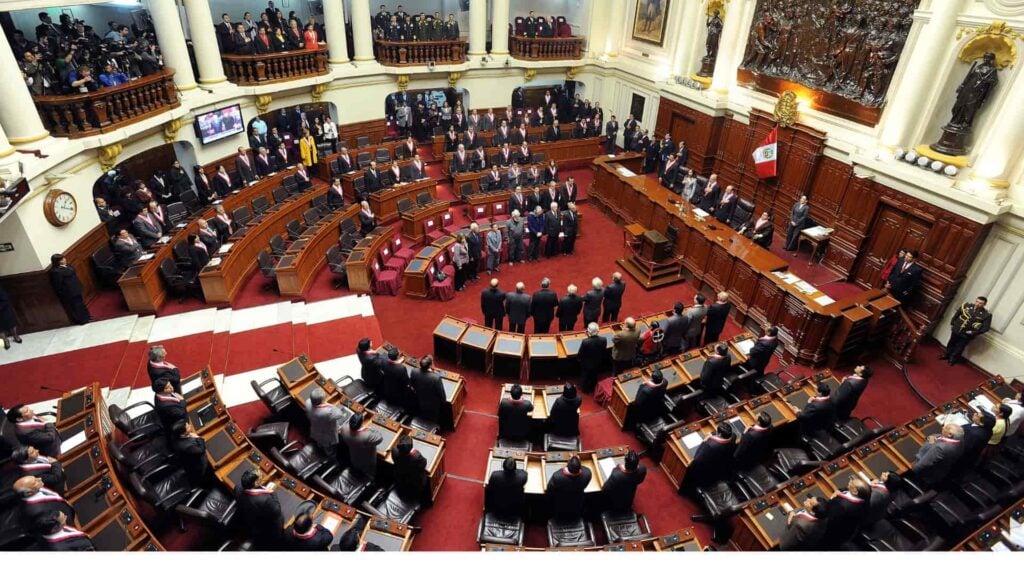
The Congress of the Republic of Peru has approved sweeping reforms to the country’s Penal Code, officially defining match-fixing as a criminal offense and imposing stricter compliance obligations on licensed betting operators.
The reforms introduce Article 197-A, which establishes specific criminal provisions targeting the manipulation of sporting competitions. Under the new law, anyone who directly or indirectly influences the outcome of a sporting event faces prison sentences of between three and six years.
If the manipulation is tied to licensed sports betting operators or affiliated brands, penalties rise to between four and eight years. To reinforce integrity measures, all licensed bookmakers are now required to sign an official charter of rules against match-fixing, formally endorsed by senior executives.
The framework extends to a wide range of actors in sports, including athletes, referees, coaches, administrators, medical staff, agents, and directors of clubs or federations, ensuring accountability across every level of competition.
Peru government pushes for integrity amid gambling market turbulence
By embedding the new provisions into the Penal Code, Peruvian authorities aim to curb match-fixing risks that have escalated alongside the rapid expansion of the country’s betting market. The reforms arrive just one year after Peru launched its regulated online gambling market, overseen by the Ministry of Foreign Trade and Tourism.
The local iGaming industry was initially hailed as a milestone for pulling foreign operators into a licensed system, taxing net gambling income at 12 percent, and strengthening safeguards for consumers and sport integrity.
However, political intervention has since disrupted the framework. In March, President Dina Boluarte ordered the tax agency SUNAT to apply a one percent Selective Consumption Tax (ISC) on wagers from licensed operators. The measure, introduced without clear guidance on turnover calculations or exemptions, triggered backlash from industry stakeholders.
Operators warn the ISC could be “catastrophic” for the regulated sector, with local firms forced to absorb costs while foreign companies can pass the burden onto players. A coalition of sportsbooks has launched a legal challenge, calling on Congress to revise the tax structure.
The standoff shows the mixed fortunes of Peru’s gambling industry. Advances in regulation and integrity protections are now weighed against tax disputes and political uncertainty.
Still, by codifying match-fixing as a crime and obliging betting firms to formally commit to integrity rules, Peru has sent a strong signal of intent in tackling sports corruption.










Published: Sep 17, 2025 04:15 am