


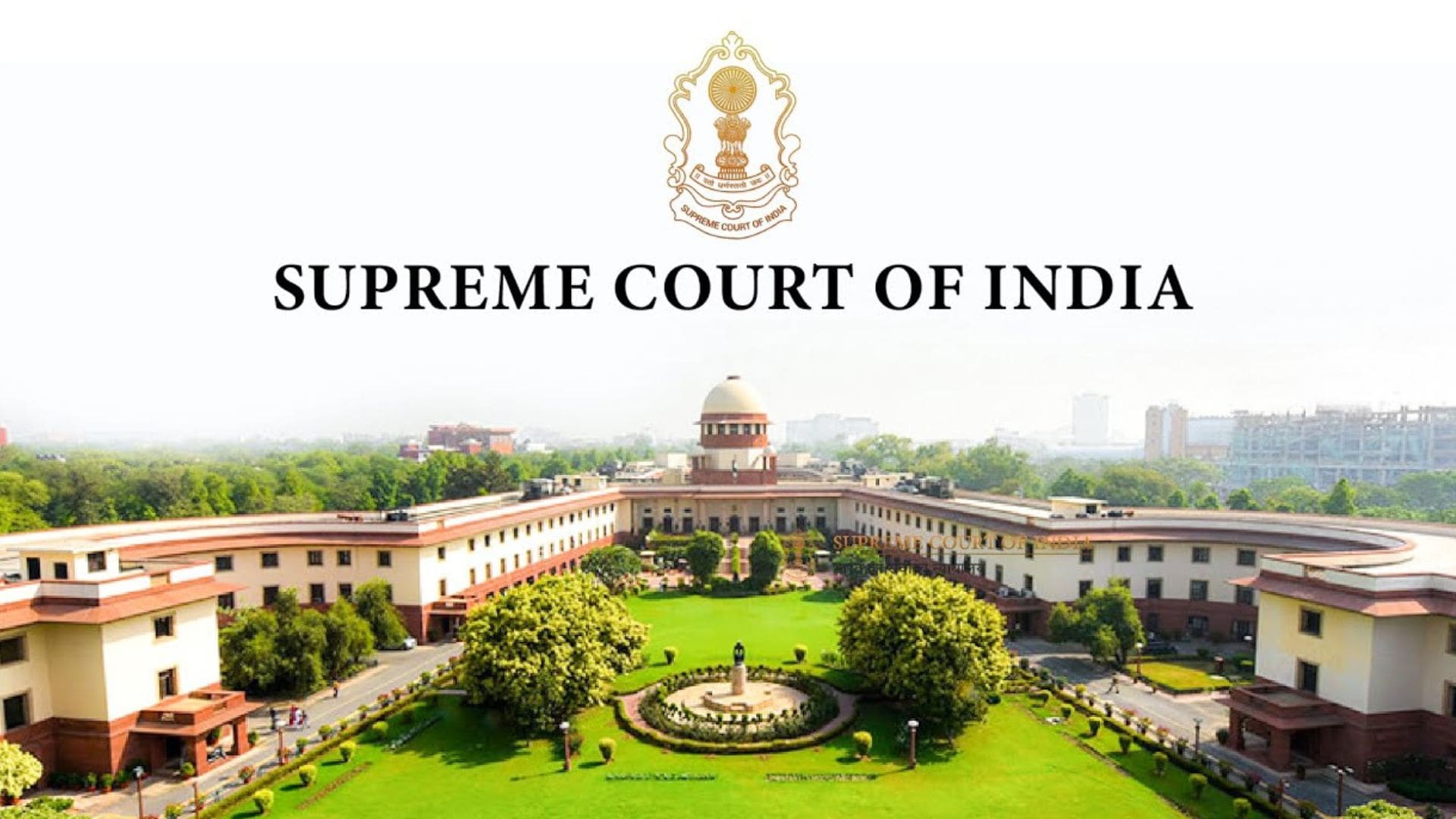

The Supreme Court of India has consolidated all pending petitions contesting the constitutional validity of the Promotion and Regulation of Online Gaming Act, 2025 (PROGA 2025), assuming exclusive jurisdiction over the matter.
A bench of Justices Jamshed Burjor Pardiwala and Kalpathy Venkataraman Viswanathan granted the Union government’s transfer request, moving petitions of various iGaming operators from the Karnataka, Delhi, and Madhya Pradesh high courts to the apex court.
The government noted that all the petitions raised similar questions concerning the law, including whether it violated certain provisions of the Constitution and whether Parliament had legislative competence to enact such a measure. Solicitor General Tushar Mehta stated that centralizing the litigation was necessary to avoid conflicting orders and save time.
The petitions, filed by Head Digital Works, Bagheera Carrom (OPC), and Clubboom11 Sports & Entertainment, contend that the law unlawfully equates games of skill with games of chance while introducing an overly broad definition of “online money games.”
Passed in August, the PROGA 2025 imposes a nationwide ban on real-money online games and related advertising. It prescribes penalties of up to three years imprisonment and fines of up to 1 rupee crore (approximately $113,000) for service providers, alongside separate penalties for advertisers.
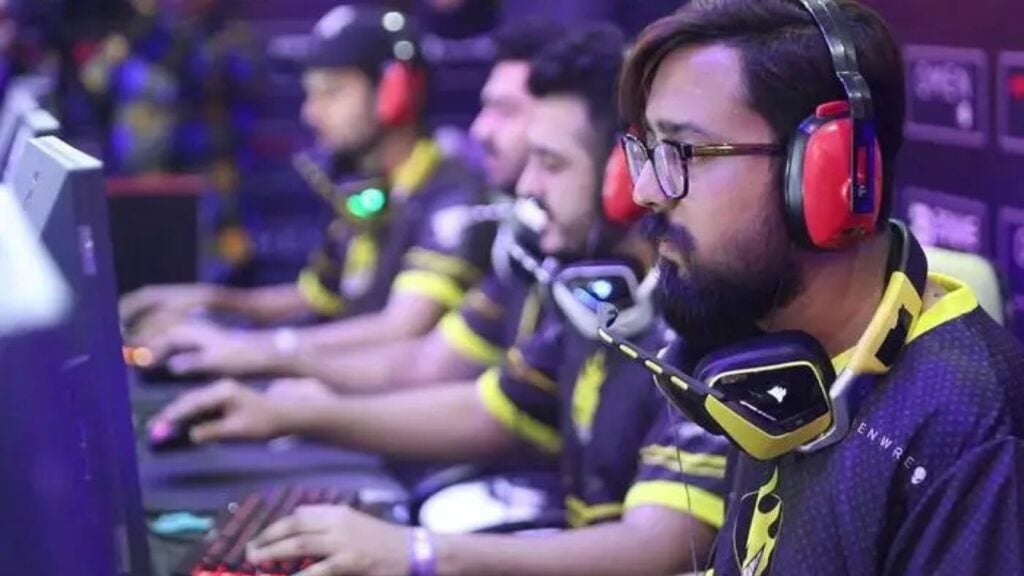
While prohibiting monetary play, the law promotes esports and casual gaming, with a new authority to be established for classification and oversight.
The government has defended the law, asserting that once Parliament passes legislation and the President gives assent, its notification is a constitutional function beyond judicial restraint.
SGI Mehta told the Delhi high court last week that “online money games” have been linked to addiction and suicides, justifying the blanket prohibition. Additionally, IT Minister Ashwini Vaishnaw has pointed to years of research indicating that gambling platforms are tied to money laundering activities.
Industry stakeholders, however, warn that the Act could severely impact the sector. Operators including Mobile Premier League (MPL), Games24x7, and Baazi Games have already initiated layoffs, while trade bodies estimate more than 200,000 jobs across 400 companies could be at risk if the ban remains in force.
With constitutional questions, regulatory clarity, and livelihoods all at stake, the Indian Supreme Court’s decision will be closely watched by policymakers, operators, and players alike.








Published: Sep 10, 2025 03:03 am