


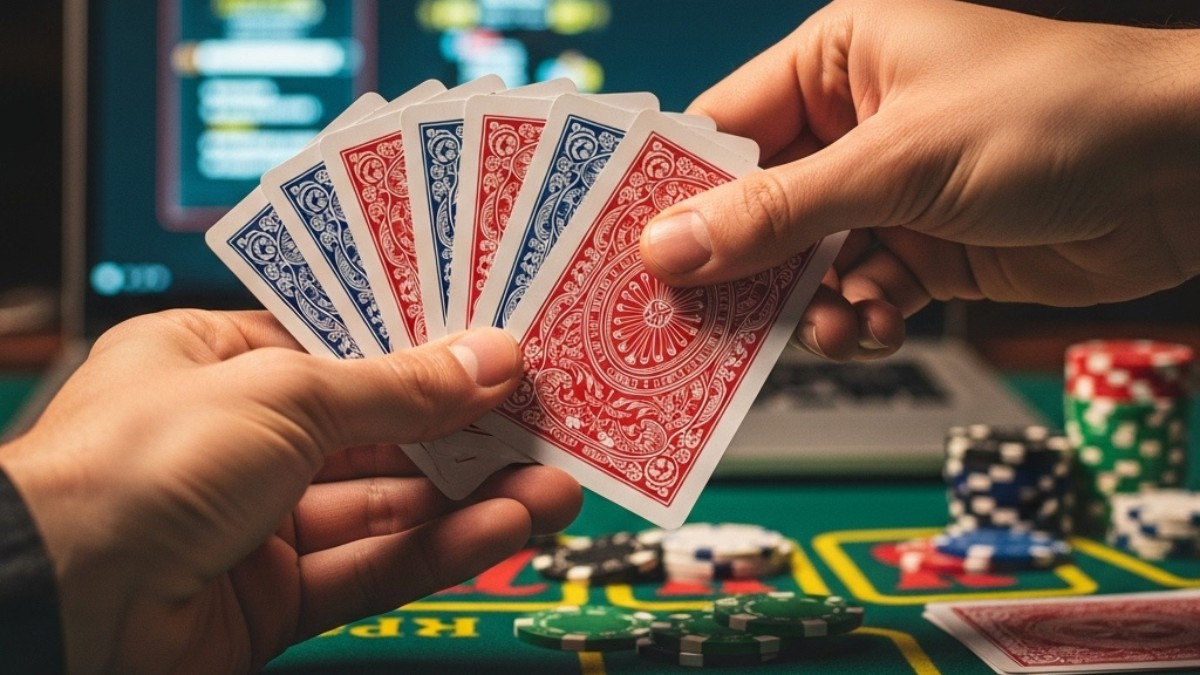

Few actions at the poker table spark more controversy than the slow roll. This intentional delay in revealing a winning hand turns a routine showdown into an uncomfortable display, violating unwritten rules of player conduct.
While the mechanics are simple, the implications are significant. Slow rolling damages the table’s atmosphere, disrespects opponents, and signals a lack of poker etiquette. Whether in casual games or high-stakes tournaments, it remains one of the most universally condemned behaviors in poker.
What Is a Slow Roll in Poker?
A slow roll occurs when a player with an unbeatable or very strong hand deliberately delays revealing their cards at showdown, creating false suspense. The slow roller knows they hold the winning hand but acts as if uncertain, allowing their opponent to believe momentarily that they might have won the pot.
The classic slow roll scenario unfolds at the showdown after all betting has completed. Player A tables a strong hand like three of a kind. Player B, holding a full house, pauses dramatically instead of immediately showing their superior hand. They might study the board, appear to consider the situation, or simply wait in silence while their opponent’s hopes rise.
Finally, after maximum drama extraction, Player B reveals the nuts, crushing both the opponent’s hand and spirit.
Key Characteristics of Slow Rolling
What distinguishes a slow roll from legitimate decision-making? Several factors separate acceptable play from etiquette violations:
Intentional delay: The player knows they hold the winning hand but deliberately stalls before showing cards. This differs from genuinely needing time to read the board or understand hand rankings.
False uncertainty: Acting confused or concerned when holding an obvious winner. Experienced players at the best poker sites recognize this manufactured hesitation immediately.
Showdown context: Slow rolls specifically occur during the reveal phase after all betting concludes. Delays during betting rounds for strategic purposes don’t constitute slow rolls.
No strategic value: Unlike tanking decisions during play, slow rolling provides no strategic benefit. The hand is over. The only purpose is theatrical cruelty.
What Does It Mean to Slow Roll in Poker?
Understanding slow roll poker meaning requires recognizing the psychological component. A slow roll communicates disrespect more than any verbal insult. The action says, “Not only did I beat you, but I want to maximize your embarrassment by letting you think you won first.”
Some players justify slow rolling as creating entertainment or “Hollywood” moments. This rationalization fails to acknowledge that poker entertainment should never come at the direct expense of another player’s dignity. The game contains sufficient natural drama without manufacturing artificial suspense through etiquette violations.
The Psychology Behind Slow Rolling
Most slow rolls fall into three categories. Inexperienced players sometimes slow roll accidentally, genuinely unsure of hand rankings or proper showdown protocol. These situations deserve gentle education rather than harsh criticism.
Vindictive slow rolls target specific opponents following earlier conflicts or bad beats. A player who suffered a tough loss might slow roll the opponent who dealt it, using the breach as petty revenge. This escalates rather than resolves table tensions.
Ego-driven slow rolls come from players who derive satisfaction from humiliating opponents. These individuals view the brief power dynamic at showdown as an opportunity to demonstrate superiority beyond simply winning the hand.
Why Is Slow Rolling Bad?
The poker community’s unanimous condemnation of slow rolling stems from multiple factors that go beyond simple rudeness. The practice fundamentally undermines the game’s social contract and damages the playing environment for everyone involved.
It Disrespects Opponents
Poker competition doesn’t require personal animosity. Players can battle fiercely for pots while maintaining mutual respect. Slow rolling breaks this social contract by prioritizing personal satisfaction over basic courtesy. Many online casinos enforce strict conduct policies that specifically prohibit behavior intended to humiliate opponents.
The delayed reveal forces opponents to experience their loss in slow motion. A straightforward showdown allows players to process defeat and move to the next hand quickly. Slow rolling extends the painful moment unnecessarily, compounding the sting of losing with the humiliation of being toyed with.
It Slows Down the Game
Beyond the emotional component, slow rolling has practical implications. Each unnecessary delay reduces hands per hour, affecting everyone’s profitability and enjoyment. In cash games, fewer hands mean less action and reduced earning potential. In tournaments, time matters even more critically as blind levels increase on fixed schedules.
Professional dealers and floor staff universally despise slow rolling because it creates awkward situations that require intervention. Should they hurry the player? Let it continue? Either choice risks creating conflict at the table.
It Creates a Toxic Atmosphere
Table atmosphere directly impacts game quality. Players enjoy poker more when the environment feels competitive but friendly. Slow rolling introduces negativity that spreads beyond the immediate players involved. Other participants become uncomfortable witnessing the breach, and subsequent interactions carry residual tension.
New players observing slow rolls might incorrectly assume the behavior is acceptable, perpetuating the problem. Conversely, experienced players might leave games where slow rolling occurs regularly, seeking more respectful environments.
Why Is Slow Rolling Frowned Upon in the Poker Community?
The poker world’s collective stance against slow rolling reflects decades of established norms. From home games to World Series of Poker events, the consensus remains the same: don’t slow roll.
Unwritten Rules and Code of Conduct
Poker etiquette largely operates through unwritten rules passed down from experienced players to newcomers. These guidelines cover behaviors like acting in turn, not discussing hands in progress, and showing cards promptly at showdown. Slow rolling violates one of the most fundamental principles: respect your opponents.
Professional players take particular exception to slow rolling because their reputations matter. Being known as a slow roller can damage relationships and lead to soft bans in private games. The poker community possesses a long memory for egregious etiquette violations.
Public Condemnation and Consequences
High-profile slow rolling incidents draw significant criticism. When televised tournaments capture slow rolls, social media erupts with condemnation. Players who slow roll on broadcast essentially brand themselves as having poor character, affecting their public image and potentially their sponsorship opportunities.
Some venues enforce penalties for slow rolling. Floor staff might issue warnings for first offenses and escalate to penalties or ejections for repeated violations. Players on bitcoin poker platforms often rely on automated systems that prevent extended delays, effectively eliminating slow roll opportunities.
Famous Slow Roll Incidents
Poker history contains numerous slow roll examples that illustrate why the practice elicits such negative reactions.
William Kassouf’s Slow Roll
William Kassouf became infamous for his 2016 Main Event slow roll against Stacy Matuson. After Matuson moved all-in, Kassouf called with pocket aces but took excessive time revealing his hand while engaging in table talk. The incident drew widespread criticism and highlighted how even skilled players sometimes cross etiquette lines.
Tony G vs. Ralph Perry
Professional player Tony G delivered one of poker television’s most infamous slow rolls against amateur Ralph Perry during a European Poker Tour event. After Perry went all-in, Tony G held the nuts but deliberately tanked before calling, then slowly revealed his cards. The hand exemplified the worst aspects of slow rolling: an experienced professional humiliating an amateur for entertainment.
When Delay Isn’t a Slow Roll
Not every hesitation at showdown constitutes a slow roll. Several legitimate situations involve delays without crossing into etiquette violations.
Genuine confusion: Players unfamiliar with hand rankings might need time to evaluate strength. A newcomer checking whether their straight beats a flush represents honest uncertainty, not intentional delay.
Complex boards: Some runouts create complex situations that require careful examination. Players ensure they correctly read their hand before revealing it, and exercise appropriate caution.
Side pot situations: Multiple all-ins create side pots with different winners. Players taking time to clarify which pot they’re contesting demonstrate responsible play.
Physical limitations: Some players need extra time handling cards due to age or disability. Accommodating these needs differs entirely from manufactured suspense.
The intent separates acceptable delays from slow rolls. Genuine need for time versus deliberate creation of false drama marks the distinction.
How to Avoid Slow Rolling
Preventing slow roll accusations requires simple practices that experienced players follow automatically.
Show winning hands promptly: When first to act at showdown or when facing an already-tabled hand, reveal cards immediately upon determining you hold the winner. No delay serves any legitimate purpose.
Table cards face-up: Don’t force opponents to ask to see your hand. Place cards are clearly visible in one motion.
Announce hand strength: Stating “full house” or “flush” while tabling cards eliminates confusion and demonstrates straightforward intentions.
Follow table norms: Observe how other players handle showdowns and match their pace. Cultural differences exist between venues, but attentiveness reveals appropriate timing.
Players transitioning from live poker and mobile casinos should note that online software prevents most slow roll opportunities through automatic hand reveals and timing restrictions.
How to Handle Being Slow Rolled
Experiencing a slow roll tests composure, but responding appropriately maintains personal integrity while addressing the breach.
Stay calm: Emotional reactions give slow rollers the satisfaction they seek. Maintaining composure denies them this reward while preserving your table image.
Don’t retaliate: Slow rolling back creates an escalating cycle of poor behavior. Taking the high road distinguishes you as someone who understands proper etiquette.
Address it once: A simple “Let’s keep showdowns moving” or “Please show your hand promptly” makes your position clear without creating extended conflict. One statement suffices.
Alert floor staff: In tournament settings with persistent issues, discreetly inform tournament staff so they can monitor the situation and intervene if necessary.
Choose your games wisely: Repeated slow rolling in cash games suggests problems with table culture. Finding better games with more respectful players represents the best long-term solution.
Don’t Be That Player
The slow roll stands as poker’s clearest example of behavior everyone recognizes as wrong, yet some players continue anyway. No strategic justification exists. No gray area requires debate. The action purely serves the ego at others’ expense.
Poker provides countless opportunities for drama, skill expression, and psychological warfare within the rules. Players don’t need to manufacture additional tension by violating etiquette. The game itself offers sufficient challenge and excitement when played with basic respect for opponents.
Avoiding slow rolls costs nothing but demonstrates character. When you hold the winning hand, show it promptly and move to the next battle. Your opponents will appreciate the courtesy, dealers will thank you for maintaining game flow, and your reputation will benefit from being known as someone who plays the game the right way.







Published: Nov 12, 2025 03:49 am