


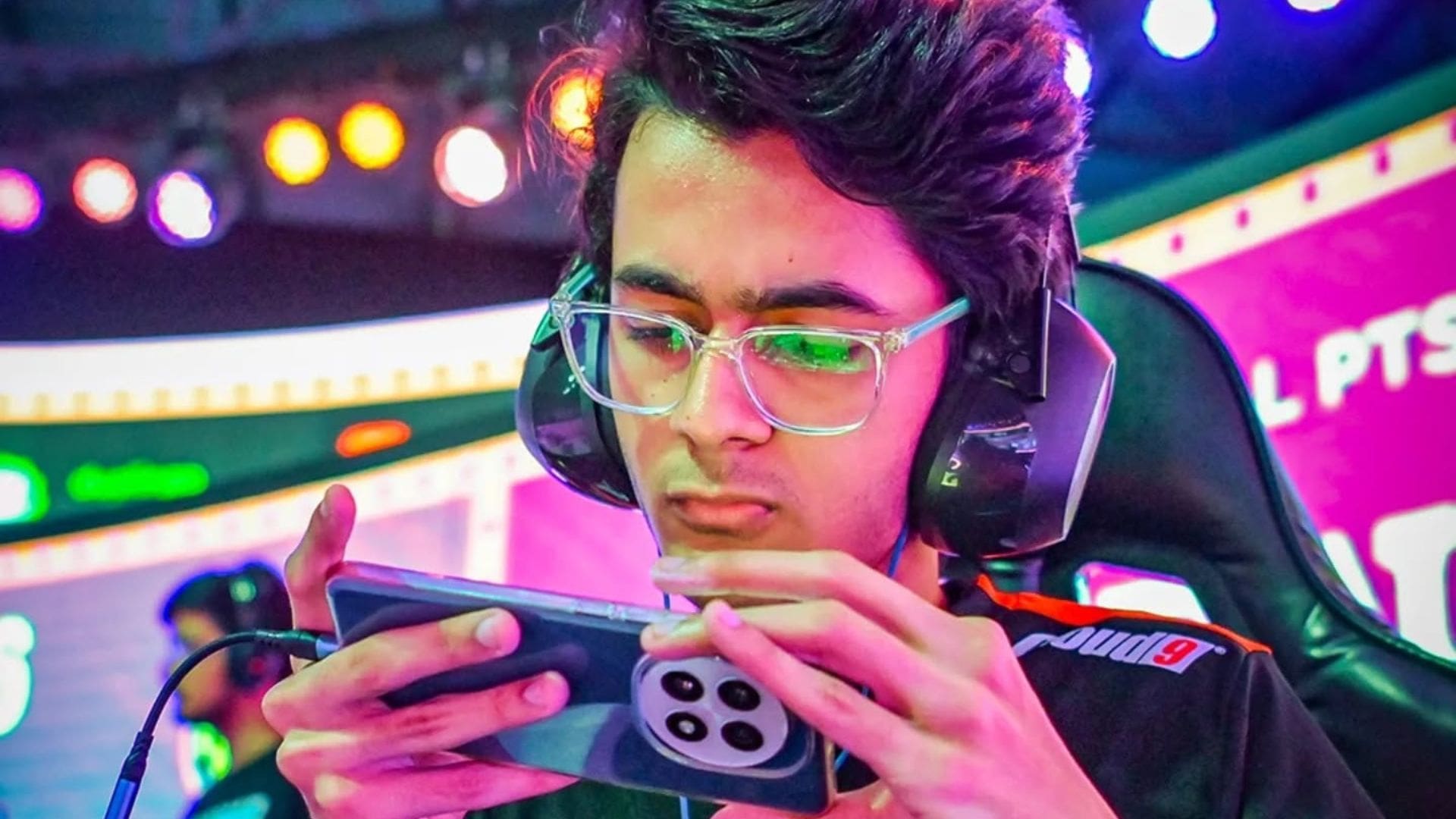

India’s Ministry of Electronics and Information Technology (MeitY) has unveiled draft rules to regulate the country’s rapidly growing online gaming industry, signaling a move from blanket bans to structured oversight.
Open for public consultation until Oct. 31, the proposal distinguishes between real-money games, esports, and social gaming, while introducing the Online Gaming Authority to oversee registration, licensing, and compliance.
The new agency will classify games, issue five-year licenses, and maintain a National Registry of Online Social Games and Esports listing approved and banned titles.
Esports formally recognized, real-money games still prohibited in India

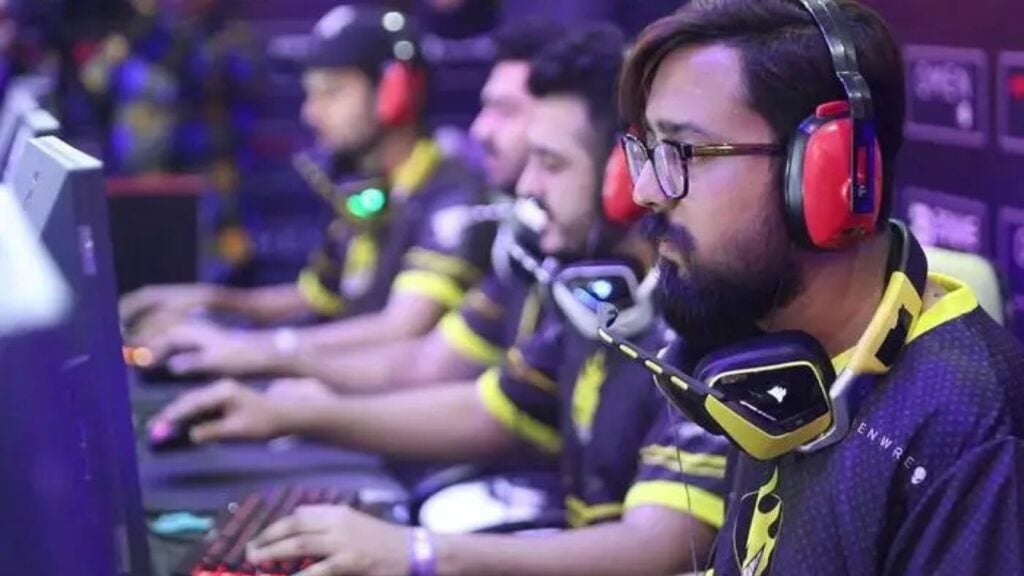
In an important policy move, the draft formally recognizes esports as a competitive discipline under the Ministry of Youth Affairs and Sports, placing it alongside traditional sports.
India’s thriving esports scene features popular titles such as mobile battle royales Battlegrounds Mobile India and Free Fire, as well as PC FPS titles like VALORANT and Counter-Strike.
Under the proposed rules, esports and social gaming operators must register each game and disclose details such as revenue models, age restrictions, data protection measures, and safety features. These information must be made public to enhance transparency and accountability.
The draft also mandates responsible gaming safeguards, including user verification and parental control systems, to protect minors and limit excessive playtime.
The framework introduces a three-tier grievance redressal system. Complaints will first be handled by the gaming company, followed by the Grievance Appellate Committee, and finally, if unresolved, by the Online Gaming Authority.
Platforms found in violation of the regulations could face suspension, license revocation, or ban.
Meanwhile, the Indian government has maintained its ban on real-money games, defined as any game involving wagers, stakes, or cash prizes.
Still, the draft signals an intention to shift toward a regulated and transparent ecosystem for India’s fast-evolving online gaming industry. As the MeitY continues to seek public input, the framework could reshape how the South Asian country governs its booming digital gaming sector.










Published: Oct 7, 2025 03:15 am