


Ammar “ATF” Al-Assaf has found himself in an unprecedented position in Dota 2 history. Just weeks after lifting the Aegis of Champions with Team Falcons at The International 2025, the 20-year-old offlaner cannot use text chat, voice lines, or even tipping due to a communication score of 4,938.
Under Valve’s updated behavior scoring system, players need at least 6,000 points to type in chat, 7,000 to tip, and 8,000 to use voice. Despite being a world champion, ATF is effectively locked out of basic communication in public matchmaking.
The restrictions stem from a long record of toxic incidents that date back through 2024 and into this year. ATF’s reputation for heated exchanges in pubs is well known, with multiple clashes against fellow professionals fueling his downward communication score.
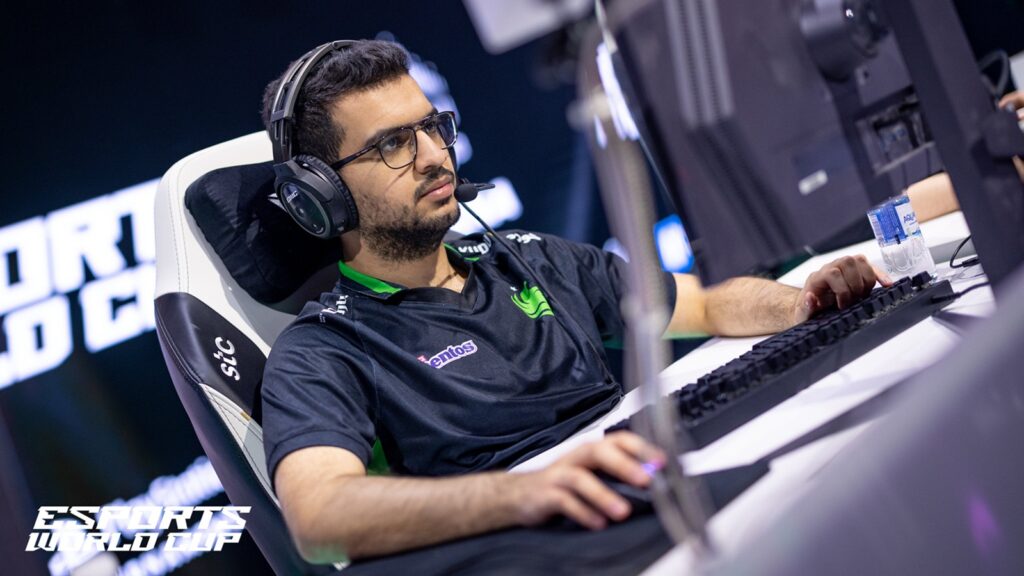
At PGL Wallachia Season 2, tensions escalated to the point where SoNNeikO allegedly confronted him in person over matchmaking disputes. DreamLeague Season 24 brought more controversy, including repeated exchanges with Ame and other pros. These events underscored how Valve’s system applies across all modes, regardless of whether a player is a casual fan or a TI champion.
For Valve, the case highlights the principle of equal enforcement. The updated system automatically evaluates reports, commendations, and chat logs every 10 games, assigning penalties based on recent patterns of behavior. Previous examples, from Quinn to other top-tier players, show that professional status offers no immunity from restrictions. By treating ATF like any other account, Valve reinforces the idea that competitive success does not excuse disruptive conduct in public games.
Still, the situation raises a wider debate within the esports community. On one hand, some argue that professionals, as role models and public figures, should face stricter standards than average players. On the other, supporters believe achievements like winning The International warrant special consideration, especially when restrictions could hinder practice and collaboration.
Tournament organizers such as PGL have already moved toward harsher penalties for toxic behavior during official events, but Valve’s automated matchmaking system remains the final authority in public play. Whether or not Valve chooses to make an exception for ATF remains uncertain. What is clear is that this case sets a new precedent for how esports handles the intersection of competitive excellence and community accountability.
ATF’s circumstances prove that even the highest level of achievement in Dota 2 does not place players above the rules, and that Valve is committed to preserving consistent standards for everyone in the community. This ongoing discussion may shape how future champions are treated when their behavior conflicts with the expectations of the broader player base.






Published: Sep 22, 2025 03:21 am