


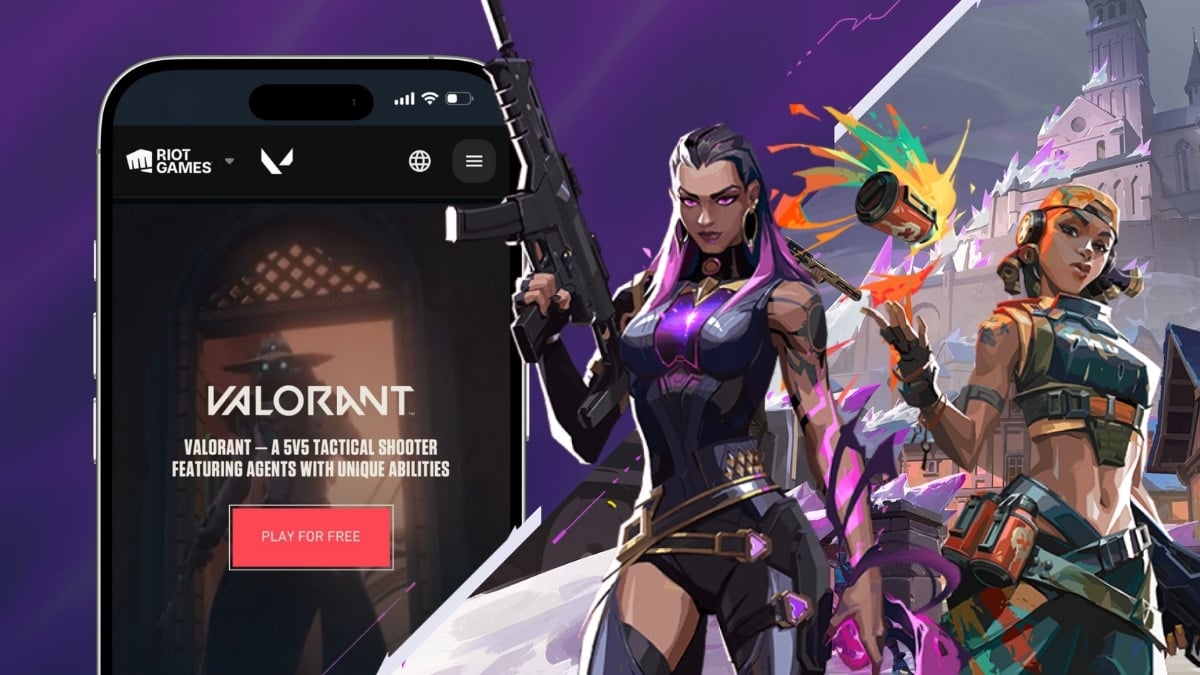

The esports industry reached a turning point on June 26, 2025, when Riot Games announced a significant shift in its sponsorship policy.
For the first time, Tier 1 League of Legends (LoL) and VALORANT teams in the Americas and European, the Middle Eastern and African (EMEA) regions may now partner with licensed betting companies. The change ends a prohibition on gambling-related sponsors and signals new commercial growth for professional esports.
Teams had long requested access to this sponsorship category, as traditional revenue sources, such as hardware and energy drink deals, proved insufficient to cover mounting expenses. With this update, organizations can tap into a lucrative industry that has already drawn significant attention from fans.
Esports betting has become a multi-billion-dollar market even without Riot’s involvement.
According to Riot’s president of publishing and esports, John Needham, the combined market for LoL and VALORANT reached $10.7 billion in 2024, with more than two-thirds of bets placed through unregulated channels. Riot aims to address that reality by regulating the space, approving vetted partners and creating safer conditions for players and audiences alike.
By establishing a Riot betting sponsorship framework, the company demonstrates its commitment to competitive integrity and acknowledges the financial challenges faced by teams.
For fans, the change suggests more stable rosters, greater investment in events and a healthier ecosystem overall.
Riot Games Sponsorship Policy
Riot Games is opening doors to betting sponsors in Tier 1 League of Legends (LoL) and VALORANT, formally allowing regulated betting companies to partner with teams in the Americas and EMEA regions. The announcement marks one of the most consequential updates to esports regulation in years.
By opening the door to betting sponsors, Riot is recognizing both the scale of the market and the need to control it responsibly.
Why Riot Games Made This Decision
The official explanation came from Riot’s President of Publishing & Esports, John Needham.
He highlighted the enormous global betting market surrounding LoL esports betting and VALORANT gambling site sponsors.
In 2024, the combined market value reached $10.7 billion; however, approximately 70 percent of wagers were placed in unregulated spaces. Riot identified a significant risk in allowing such a large market to operate without oversight.
By implementing a new framework, the company aims to channel betting activity into regulated channels while providing teams with an additional revenue source.
This move reflects a broader trend in the gaming industry. Traditional sports have long relied on betting sponsorships as key contributors to financial stability. Riot’s decision suggests esports is now entering a comparable stage of maturity.
Rather than leaving the market in the shadows, the company is positioning itself to regulate, oversee and benefit from a space that already exists.
Guardrails Within the Riot Games Sponsorship Policy
The most critical aspect of Riot’s announcement lies in its safeguards. Riot described these as guardrails designed to preserve the integrity of competition and protect the fan experience.
These guardrails are meant to address concerns about player vulnerability, match-fixing and the exposure of gambling content to young audiences.
Vetting of Sponsors
Only pre-approved and trustworthy betting operators will be permitted to partner with teams. Riot will conduct extensive checks before approving any request.
The goal is to keep predatory companies or questionable platforms out of the ecosystem while ensuring that fans are directed toward responsible operators.
Use of Official Data
Betting sponsors must rely exclusively on officially licensed data provided by GRID Esports. By mandating the official use of data, Riot ensures that markets are transparent, accurate and less susceptible to manipulation.
This requirement also creates an additional layer of accountability across all betting activity linked to LoL esports betting and VALORANT gambling sponsors.
No Betting Ads on Broadcasts or Jerseys
Riot has made it clear that esports advertising changes will maintain the viewing experience for fans. Betting brands will not appear on jerseys, official social media channels or live broadcasts controlled by Riot.
This means a fan tuning into a League Championship Series (LCS) or VALORANT Champions Tour (VCT) match will not be bombarded with gambling logos. Instead, partnerships will be managed discreetly, protecting younger audiences from direct exposure to potentially sensitive content.
Internal Integrity Programs
Teams entering agreements with betting companies must establish and enforce their own integrity programs. These systems are designed to prevent match-fixing, educate players and safeguard fans.
After all, players who love high-thrill betting opportunities at casinos and on sports betting sites are sure to pay attention (and investment) here, too.
By placing responsibility at both the organizational and corporate levels, Riot ensures that betting sponsors are handled with serious oversight.
Reinvestment Into Tier 2 Ecosystem
Perhaps the most forward-looking aspect of the Riot Games sponsorship policy is its commitment to reinvestment. Revenue generated from these sponsorships will be channeled into Tier 2 ecosystems such as Challenger leagues for VALORANT and EMEA Regional Leagues (ERLs) for League of Legends.
This reinvestment will strengthen prize pools, integrity tools, training programs and grassroots development.
The aim is to create a sustainable pipeline that benefits not only elite teams, but also aspiring professionals.
Broader Implications of the Policy
The new Riot Games sponsorship policy is about more than simply allowing betting brands in esports. It represents a calculated effort to modernize the financial framework of competitive gaming while acknowledging the realities of global betting markets.
Riot has taken a cautious but decisive step forward, signaling to both teams and fans that esports is ready to adopt sponsorship categories long associated with traditional sports.
The guardrails indicate that Riot is approaching this transition with care. Instead of allowing gambling companies to dominate broadcasts or plaster logos across every jersey, the company has opted for a controlled rollout that balances financial opportunity with community protection.
This delicate balance will shape how LoL esports betting and VALORANT gambling sponsors are perceived in the months and years to come.
Why is a Riot Betting Sponsorship Important?
The introduction of Riot betting sponsorship is not simply a policy change. It is a transformative moment that can reshape the way esports organizations, fans and the broader industry operate.
By opening the door to regulated betting partners, Riot is responding to financial needs, addressing integrity concerns and aligning esports with long-standing practices in global sports.
Financial Lifeline for Teams and Leagues
Esports organizations have faced ongoing challenges in achieving financial stability. Many top-tier teams in League of Legends and VALORANT operate at a loss, relying heavily on sponsorships from traditional categories like energy drinks, apparel or gaming peripherals. As costs continue to rise, these categories alone are not sufficient to sustain organizations.
The addition of regulated betting sponsorships opens a vital new revenue stream. Teams now have the potential to generate significant income through partnerships that were previously off-limits. This could mean higher salaries for players, better training facilities and stronger support staff.
For leagues like the LCS and League of Legends EMEA Championship (LEC), which have faced questions about long-term stability, this influx of money provides breathing room and renewed momentum.
From Riot’s perspective, a financial lifeline for Tier 1 also benefits the entire ecosystem. Additional revenue enables the reinvestment in Tier 2 leagues, prize pools and grassroots development. This creates a ripple effect that impacts every level of competitive play, providing fans with more opportunities to watch their favorite games thrive.
Other Considerations
While financial stability is the most visible benefit, other considerations highlight why Riot Games’ sponsorship policy carries weight. By legitimizing a large existing market, aligning with traditional sports practices and emphasizing competitive integrity, Riot is shaping the long-term trajectory of esports.
Legitimization and Regulation of an Existing Market
Billions of dollars are already being wagered on League of Legends betting sites and VALORANT matches. Much of this activity takes place through unregulated or offshore markets. The risks of such environments include data manipulation, match-fixing and predatory practices that target vulnerable fans.
By bringing betting sponsors into Riot’s regulated ecosystem, the company creates safer pathways for fans who choose to participate in betting. Requiring the use of GRID’s official data ensures that odds are transparent and accurate.
Directing attention to vetted operators reduces the appeal of shady alternatives, resulting in an ecosystem where betting exists, but is supervised and accountable.
Industry Maturity and Alignment With Traditional Sports
Riot’s decision also reflects the maturity of esports as a global industry. Sports like soccer, basketball and Formula 1 have long integrated betting sponsors into their frameworks. These relationships provide essential financial backing while demonstrating that leagues can maintain integrity under regulated conditions.
For esports, alignment with traditional sports enhances credibility in the eyes of investors, corporate sponsors and mainstream audiences. It positions Riot as a leader willing to professionalize its leagues to match global standards.
By incorporating betting sponsorships responsibly, esports can attract larger deals, bigger audiences and more cross-industry partnerships.
Competitive Integrity and Transparency
One of the strongest arguments for allowing betting sponsors is the protection of competitive integrity. If betting is banned, it still occurs in unregulated markets where oversight is minimal. This creates vulnerabilities for players and fans.
By contrast, if sponsorship is legalized under strict guardrails, Riot gains oversight and the ability to enforce accountability.
With GRID data, vetted operators and mandatory internal integrity programs, the system is better equipped to prevent match-fixing and ensure fair play. Transparency fosters trust among fans, who can watch with confidence that competitions remain fair and legitimate.
The combination of oversight and regulation strengthens the overall structure of LoL esports betting and VALORANT gambling sponsors.
Why This Matters for Fans
Understanding the significance of Riot betting sponsorship helps readers see beyond the headlines. It explains why teams have pushed for this change, why Riot chose to act now and how it may shape the future of competitive gaming.
For fans, the outcome could mean stronger leagues, more consistent player rosters and improved viewing experiences. For the industry, it signals a new stage of commercial growth where esports stands alongside traditional sports as a professional and sustainable entertainment product.
LoL Esports Betting and VALORANT Gambling Sponsors
The introduction of Riot betting sponsorship has different implications for League of Legends and VALORANT, but both titles share the same underlying framework.
By examining the details of League of Legends’ sponsorship rules and updates on VALORANT’s gambling sponsors, fans and industry observers can better understand how these changes will shape the future of Riot’s two flagship esports ecosystems.
League of Legends Sponsorship Rules
League of Legends is Riot’s oldest and most established esport, with professional play dating back over a decade. The introduction of betting sponsors into LoL represents both a financial opportunity and a cultural milestone.
Where it Applies
The new rules are limited to Tier 1 leagues in the Americas and EMEA. This includes the League Championship Series in North America and the League of Legends European Championship (LEC).
Teams competing in these leagues are eligible to secure sponsorships from approved betting partners.
What Changes
The most immediate change is that teams can now enter sponsorship deals with licensed and vetted betting companies. Prior to this update, gambling-related sponsors were strictly prohibited; however, now, organizations can pursue agreements that were previously off the table, adding a valuable revenue stream to their operations.
Impact on Fans
For fans of the LCS and LEC, the impact will be visible but controlled. Sponsorship agreements will not translate into betting logos plastered across jerseys or dominating official broadcasts.
Riot’s esports advertising changes prohibit direct exposure on Riot-controlled media. Instead, fans may see teams promote betting sponsors on their own platforms, such as team websites or social channels.
The broader impact could be more stability for teams.
Leagues like the LCS have faced financial challenges, and several organizations have downsized or exited entirely. Betting sponsorship revenue could help teams maintain rosters, keep star players and remain competitive.
Fans benefit when the level of play remains strong, ensuring that regional leagues continue to deliver exciting and competitive play.
Big Picture
The decision to introduce betting sponsorship into League of Legends reflects Riot’s effort to protect the long-term viability of its oldest esport that is beloved by many of the top esports betting sites. By unlocking a new revenue stream, the company gives LCS and LEC organizations the tools to remain financially competitive.
This signals a commitment to sustaining the League ecosystem and keeping it at the center of the global esports licensing landscape.
Updates on VALORANT Gambling Sponsors
VALORANT represents Riot’s newer but rapidly growing esport. Launched in 2020, the title quickly established itself as a major player in the competitive gaming scene.
Allowing betting sponsorships in VALORANT is a proactive move that embeds financial stability early in the game’s competitive life cycle.
Where It Applies
Like League of Legends, the new policy applies only to Tier 1 leagues in the Americas and the EMEA region. For VALORANT, this includes VCT Americas and VCT EMEA.
Teams competing in these regional leagues can now explore partnerships with regulated betting companies under Riot’s guidelines.
What Changes
For organizations in VALORANT, the change opens up a previously inaccessible sponsorship category. Teams can now secure deals with betting companies that meet Riot’s vetting process and data requirements.
These agreements provide immediate financial support to teams that are still building long-term competitive infrastructure.
Impact on Fans
For VALORANT fans, the change could translate into stronger organizations and better event production. Teams with increased funding may invest more in player support, coaching staff and content creation. Tournament organizers, benefiting from reinvestment into lower-tier leagues, may offer fans more robust competitive calendars.
However, VALORANT’s fan base skews younger than League of Legends. Critics have raised concerns that introducing betting sponsorships into such a youthful audience risks normalizing gambling too early.
Riot’s restrictions on esports advertising changes are designed to address this issue by ensuring betting brands are not directly promoted on broadcasts or jerseys.
Big Picture
By allowing gambling sponsors so early in VALORANT’s competitive journey, Riot is laying the groundwork for long-term financial health. Rather than waiting until teams struggle, the company is embedding revenue opportunities at the foundation of its esports model.
This proactive approach demonstrates Riot’s recognition that financial sustainability must be a priority from the start.
Shared Framework for Both Titles
Although League of Legends and VALORANT have different histories and audiences, the underlying sponsorship framework is the same.
In both cases, Riot requires vetted sponsors, the use of official GRID data, the absence of logos on broadcasts or jerseys and mandatory integrity programs for teams. Revenue reinvestment into Tier 2 ecosystems ensures that the benefits of betting sponsorships extend beyond top-level play.
For fans, this consistency offers reassurance.
Whether following LoL esports betting or VALORANT gambling sponsors, the same protections and guardrails apply. Riot is taking a unified approach that balances opportunity with responsibility.
What Does Betting Brands in Esports Mean for Gamers?
The arrival of betting brands in esports affects not only teams and leagues but also the fans who watch, support and invest their time in these competitions. Understanding how Riot betting sponsorship translates into authentic experiences for audiences is essential to seeing the whole picture.
While many changes occur behind the scenes, gamers will notice several key impacts on how they consume League of Legends and VALORANT.
Esports Advertising Changes
The first major factor is how esports advertising changes affect what fans see.
As mentioned, Riot has banned betting logos on jerseys, official broadcasts and its own social media platforms. As a result, fans tuning in to watch matches will not be confronted with gambling advertisements throughout the broadcast.
This distinguishes Riot’s approach from many traditional sports leagues, where betting companies often appear prominently on uniforms and arena signage.
Instead, betting sponsorships will surface in more indirect ways. Teams may promote their partners through websites, secondary content or private channels outside of Riot’s official broadcasts. Fans who closely follow their favorite organizations will likely encounter these sponsors through newsletters, interviews or behind-the-scenes content.
The effect is subtle compared to direct in-broadcast exposure, but it still introduces betting brands into the fan experience.
Pros of This
The advantage of this approach is a clean viewing environment. Fans can focus on the gameplay without the distraction of gambling logos saturating the screen. Younger audiences are shielded from heavy exposure, while adult fans who are interested in esports betting still gain access to regulated channels through team promotions.
This balance provides financial benefits for organizations without overwhelming the audience.
Cons of This
The potential drawback is indirect normalization of gambling within esports culture. Even without direct ads, fans will associate betting brands with their favorite teams.
Younger fans, in particular, may develop stronger links between esports and betting than in the past. Critics argue this could gradually make gambling appear like a standard part of the esports landscape.
Healthier Esports Scene for Fans
If managed responsibly, betting sponsorships can strengthen the overall ecosystem in ways that directly benefit fans. Additional revenue enables teams to invest in enhanced player support, maintain competitive rosters and produce more fan-centered content.
Organizations may use funding to expand merchandise lines, improve live event experiences or increase community engagement.
At the league level, reinvestment into Tier 2 ecosystems means fans gain access to more tournaments and a more robust competitive calendar. Lower-tier competitions often struggle to secure funding, which limits exposure for rising talent.
With added resources, these leagues can provide higher production values and stronger prize pools. For fans, this translates into more opportunities to watch emerging players compete and develop into future stars.
More Transparency in Betting
Fans who already engage with LoL esports betting or VALORANT gambling sponsors will experience greater transparency. Under Riot’s system, all betting activity must rely on official GRID data. This ensures that odds and markets are based on accurate and licensed information.
Fans who wager on matches can expect fairer outcomes and fewer opportunities for exploitation.
This transparency also strengthens competitive integrity. By requiring vetted partners and mandating data standards, Riot reduces the risk of match-fixing or manipulation that has plagued unregulated markets.
For bettors, the result is greater confidence that the competitions they watch are legitimate. Knowing that oversight exists helps preserve trust between audiences and the professional leagues they support.
Why This Matters to Gamers
For gamers and fans alike, the new Riot Games sponsorship policy represents a shift in how esports will be experienced in the years ahead. While the changes may not dominate broadcasts, they shape the stability and future of the ecosystem.
More secure organizations, stronger leagues and safer betting markets all contribute to a healthier and more stable industry.
At the same time, though, fans should remain aware of how betting brands in esports may influence community culture.
Future of the Riot Games Sponsorship Policy
Riot’s decision to allow regulated betting sponsorships marks a defining moment for competitive gaming.
By implementing strict guardrails, requiring vetted partners and committing to reinvestment, Riot has taken a cautious but forward-looking step toward financial sustainability. LoL esports betting and VALORANT gambling sponsors are now officially part of the esports ecosystem, shaping how teams, leagues and fans interact with the industry.
The impact for gamers is twofold: more stability in their favorite leagues and a more transparent betting environment, balanced against the cultural shift of integrating gambling into the scene. The long-term success of this policy will depend on how well Riot enforces its safeguards and how responsibly organizations manage their partnerships.
For fans interested in esports betting and sponsorships, this development offers a clear signal that the industry is maturing and aligning with traditional sports. Fans can expect stronger competitions, more investment in lower-tier play and an evolving conversation around the role of betting in esports culture.
Keep your eyes on upcoming announcements and league updates as Riot continues to refine its sponsorship policies. The future of esports is entering a new phase, and the role of betting will be one of the most critical factors to watch.




Published: Sep 9, 2025 01:30 pm