


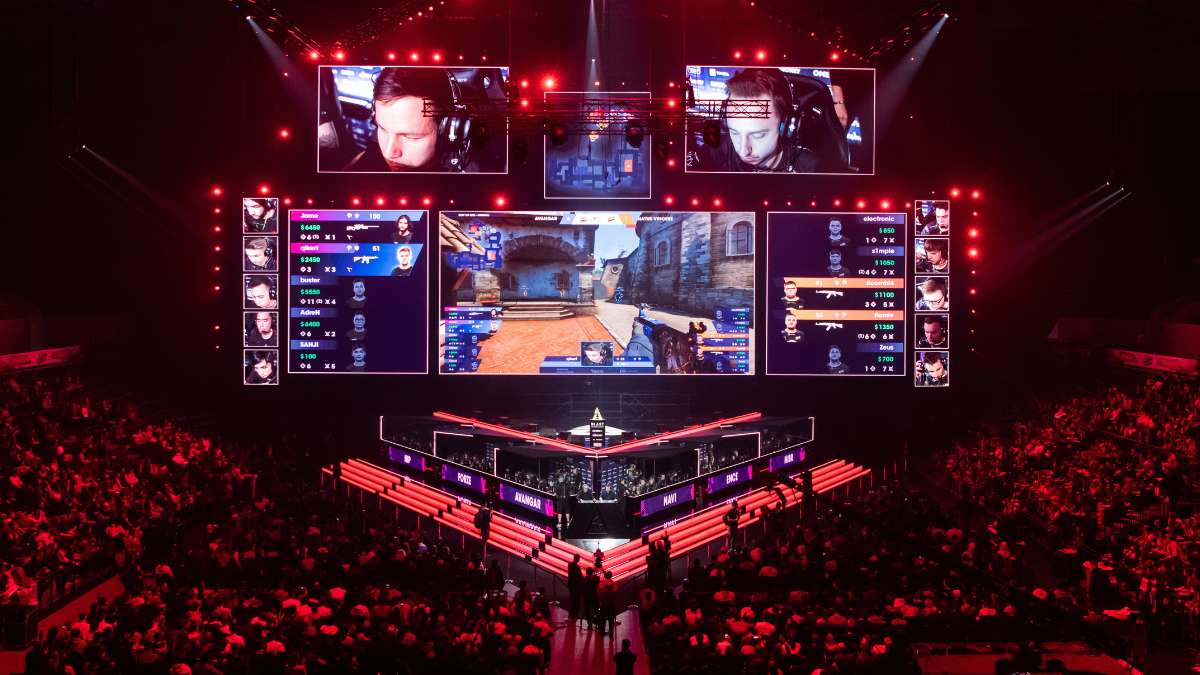

Esports betting trends are capturing unprecedented attention in 2025 as technology, shifting bettor demographics and innovative platforms converge to reshape the gambling landscape.
Viewership numbers are climbing, operators are diversifying and bettors are demonstrating strong engagement with higher-value wagers. For those watching the economics of digital entertainment, the implications extend well beyond the confines of betting platforms.
Esports Betting Trends Driving the Market
Esports betting has transitioned from the margins to the mainstream, carving out a distinct niche in the global wagering economy. This shift is being fueled by the rapid expansion of the esports audience, the adoption of innovative betting structures and the global reach of competitive gaming.
Expanding Audience and Engagement
Global esports viewership surpassed 500 million in 2024 and is projected to reach 600 million by the end of 2025; what’s more, the esports betting market is poised for a $50 billion boom over the next nine years.
Bettor demographics reveal a significant generational driver. In 2024, 44 percent of esports bettors fell within the 18 to 27 age range, and these individuals consistently placed higher-value wagers. On average, esports bets reached $30 per wager compared with $5 in traditional football betting.
According to Business Research Insights, global esports betting revenue is expected to hit $2.8 billion in 2025, up from $2.5 billion the previous year, with forecasts suggesting it could exceed $3 billion by 2026.
Other projections are even more ambitious, estimating a $16.21 billion market in 2025 with growth at a compound annual rate of 13.7 percent, potentially reaching $54 billion by 2034.
Mainstream Operators and Dedicated Platforms
Traditional bookmakers, such as William Hill and Bet365, are entering the esports segment, signaling its legitimacy within the broader gambling industry. However, dedicated operators like Midnite, Rivalry and Thunderpick have carved out niches by offering markets tailored specifically to esports bettors.
This distinction is essential, as it reflects two separate approaches: established companies expanding into esports to diversify their portfolios and specialized operators designing experiences directly for digital-native users.
Why Bettor Demographics and Trends Are Important
Esports betting trends are closely tied to the demographics that drive them. The profile of the bettor dictates how platforms evolve, what markets succeed and where future opportunities lie.
Understanding bettor demographics is essential because it explains both who is participating and how (and why) engagement continues to accelerate in 2025.
Tech Innovations Fueling Engagement
AI-driven systems now update odds in real time, offering precise predictions that maintain engagement throughout a match. These live odds ensure bettors remain invested even when outcomes are uncertain, creating a more dynamic experience than static pre-match wagers.
Blockchain and cryptocurrency have become central to transaction speed and user trust. Instant deposits and withdrawals using digital assets reduce barriers to entry while reinforcing the sense of security in an industry often scrutinized for transparency. For a younger generation familiar with crypto wallets, these tools feel natural, rather than experimental.
Integrating Personalization and Immersive Features
Virtual and augmented reality are also in early stages of adoption, with prototypes allowing bettors to view live stats and odds in immersive overlays while watching matches. These advancements transform betting from a transactional activity into an interactive experience, further embedding wagering within the culture of esports.
Other Considerations
Beyond the immediate technological advances, esports bookies’ demographics provide a framework for how operators design their services, interpret behavioral data and anticipate future market developments.
Market Targeting and Product Design
Operators analyze demographic data to craft tailored betting experiences that resonate with distinct audiences.
Gen Z and younger millennials, who comprise a significant portion of esports bettors, expect platforms that reflect their digital-first lifestyles. This includes mobile-optimized layouts, crypto and digital payment options and interactive features such as in-stream betting.
Older bettors, while increasingly involved, tend to lean toward sportsbooks that offer traditional experiences. They often prefer straightforward markets and clear odds displays over experimental interfaces.
Balancing these groups requires a dual design strategy: platforms that innovate for digital natives while still providing familiarity for those transitioning from conventional sports betting.
Bet Size and Frequency Insights
Esports bettors tend to place fewer bets per session than traditional sports bettors, but wager significantly more per bet. The average wager in esports hovers near $30, compared with $5 in football. This pattern suggests that bettors are more deliberate, selecting markets that carry greater perceived value.
Future Growth Forecasting
Nearly half of current bettors are between the ages of 18 and 27, meaning the market is anchored in a cohort that is still early in its financial lifecycle. As their disposable income grows, so too does their capacity for wagering.
Operators track how this group interacts with new competitive titles, social platforms and payment methods. Their early adoption of technologies such as mobile wallets and immersive streaming features often foreshadows broader market expectations.
The Mechanics Behind Esports Betting
Behind the headlines of soaring revenues and growing audiences lies the structure that powers the entire esports betting economy. Understanding these mechanics offers clarity on how operators attract bettors, manage risk and sustain profitability.
Sportsbooks and Dedicated Operators
Traditional gambling companies, such as William Hill and Bet365, have integrated esports into their offerings, placing titles like Counter-Strike 2 and League of Legends alongside staples like football, tennis and basketball. Their participation signals the legitimacy of esports within the mainstream gambling economy.
By leveraging established infrastructures and customer trust, as well as regulatory experience, the best sportsbooks provide familiarity for bettors who already wager on traditional sports.
Dedicated operators, however, represent a different approach. Companies like Rivalry, Midnite and Thunderpick were founded with esports as their primary focus, enabling them to design platforms tailored to the habits and preferences of digital-native audiences.
Mobile-First Design
Apps and responsive sites allow users to watch a live stream on Twitch while simultaneously placing a bet, blurring the line between spectating and wagering. Push notifications deliver updates on odds changes or match progress, keeping bettors engaged even when they are not actively watching.
Crypto and Digital Wallets
Cryptocurrency transactions have become increasingly common, providing bettors with near-instant deposits and withdrawals. This speed is attractive to users accustomed to digital finance, and the added layer of privacy appeals to those who value discretion and confidentiality.
Digital wallets also simplify transactions by reducing the friction of repeatedly entering payment details. For users already accustomed to tools like PayPal, Apple Pay or crypto wallets, esports platforms that incorporate these methods feel modern and convenient.
The Betting Markets, Odds and Data Feeds
Match Outcomes remain the most straightforward, offering bettors a familiar entry point into esports. However, prop bets significantly expand possibilities, allowing users to wager on events such as the first kill in League of Legends or the total kills in Counter-Strike 2.
In-play and live bets represent one of the fastest-growing categories. AI-driven algorithms constantly adjust odds based on match data, player statistics and historical performance.
Exotic markets—including wagers on MVPs, map winners or tournament champions—extend engagement beyond single matches. They attract bettors interested in long-term predictions or those looking to diversify their wagers.
The Users
Demographics skew toward the 18 to 35 age group, a cohort that is highly tech-savvy and comfortable with digital financial tools.
Bettors do not limit themselves to operator apps; they discuss strategies on Reddit, analyze odds on Twitter/X and share live reactions on Discord. This interconnected ecosystem allows betting companies to promote directly where their audiences are most active, strengthening retention and loyalty.
Global reach highlights cultural variation. In Asia, Mobile Legends: Bang Bang dominates betting markets due to the region’s mobile-first gaming culture. In North America and Europe, games like VALORANT (including those on VALORANT betting sites) and Counter-Strike 2 and MOBAs like League of Legends continue to be central to the gaming landscape.
Regulation and Compliance
Regulation provides legitimacy while protecting bettors.
Licensing through authorities like the Malta Gaming Authority or the UK Gambling Commission ensures that platforms meet standards for fairness and transparency. Emerging regions are also developing frameworks. Brazil, for example, implemented a regulated esports betting system in 2025 that formalizes licensing, taxation and compliance requirements.
Integrity bodies like ESIC play a vital role by establishing codes of conduct, investigating irregularities and collaborating with operators to maintain trust in both esports and betting markets.
Revenue Streams
Sponsorships and partnerships offer additional revenue. Esports organizations are increasingly open to collaboration with betting companies, particularly as restrictions on other industries reduce sponsorship opportunities. These partnerships enhance visibility for operators while providing financial support for teams and tournaments.
Engagement features, such as loyalty programs, exclusive casino bonuses and gamified betting experiences, encourage repeat use. Some platforms experiment with culturally relevant rewards, such as digital skins or in-game items, blurring the line between betting and gaming identity.
What Esports Betting Trends Mean for Gamers
Esports betting trends carry implications that extend beyond operators and investors. For gamers, these developments shape how communities evolve, how new titles enter the competitive ecosystem and how technology changes the viewing and wagering experience.
While the financial statistics capture attention, the real impact often lies in how these trends are felt by players and fans who engage with the games on a daily basis.
Emergence of New Competitive Titles
One of the most immediate impacts of betting expansion is the introduction of new competitive titles. Games such as Fragpunk, Marvel Rivals and Mario Kart World are poised to expand the betting landscape by attracting communities beyond the traditional MOBA and shooter audiences.
For gamers, the inclusion of more titles creates opportunities to see their favorite franchises recognized as legitimate components of the esports economy.
What’s Next in Esports Betting Trends
Esports betting has evolved from a niche pursuit into a global market with momentum that shows no signs of slowing. The convergence of technology, bettor demographics and platform innovation has propelled wagering into the mainstream of digital entertainment.
As new competitive titles emerge and in-stream betting experiments gain traction, the industry can be expected to expand into previously uncharted territory.










Published: Sep 10, 2025 06:57 am